[00:00:16] Speaker A: The Mysterious Old Radio Listening Society podcast.
[00:00:27] Speaker B: Welcome to the Mysterious Old Radio Listening Society, a podcast dedicated to suspense, crime and horror stories from the golden age of radio. I'm Eric.
[00:00:36] Speaker C: I'm Tim. And I'm Joshua.
[00:00:37] Speaker B: We love mysterious old time radio stories, but do they Stand the test of time? That's what we're here to find out.
[00:00:44] Speaker C: As part of our ongoing 10th anniversary celebrations, we are featuring 10 different series that we have never listened to before on this podcast. This week, Tim has brought an episode of our third third new series, Maggie o' Banion from have Gun Will Travel. At our most recent live show, I had a chance to chat with a gentleman in the audience about this show and its fascinating history, and I was eager to find out more. While several classic radio series went on to become television programs, have Gun Will Travel went the other way. It began as a TV show in 1957 starring Richard Boone as Paladin, a gun for hire dressed all in black. Kam Tong co starred as hey Boy, a nickname for a Chinese bellhop at the Carlton Hotel, Paladin's permanent residence.
[00:01:29] Speaker B: Roughly one year after its television debut, have Gun Will Travel also began appearing on CBS Radio featuring John Dehner as Paladin. The first episode aired only one week after the last episode of Dana's previous iconic series, Frontier Gentlemen. The role of hey Boy was played primarily by Ben Wright, who starred as the title character in the New Adventures of Sherlock Holmes from 1949 to 1950.
We'll talk more about Ben Wright and hey Boy after the episode.
[00:01:59] Speaker C: This episode was written by Gene Roddenberry, or more accurately, it was adapted from one of the many scripts that Roddenberry wrote for the television series. Most of the have Gun Will Travel's early radio episodes were adapted from the television scripts, but from the 40th episode going forward, they were all original works. Gene Roddenberry famously went on to create some other stuff popular among a certain niche
[00:02:24] Speaker D: of enthusiasts.
[00:02:25] Speaker C: As a TV series, have Gun Will Travel ran for 225 episodes from 1957 to 1963. As a radio program, it ran for 106 episodes from 1958 to 1960. And while this episode, Maggie O', Banion, was first televised April 4, 1959, it was first broadcast adapted for radio one day later, on April 5, 1959.
[00:02:50] Speaker B: It's late at night and a chill has set in. You're alone and the only light you see is coming from an antique radio. Listen to the sounds coming from the speaker, listen to the music, and listen to the voices.
[00:03:14] Speaker E: I'M offering you a choice.
To fight with knives or guns.
But just remember this.
Whichever way you choose, the loser will be a long time dead.
[00:03:37] Speaker F: Have gun will travel starring Mr. John Dana as Paladin San Francisco, 1875. The Carlton Hotel. Headquarters of a man called Paladin.
[00:04:06] Speaker G: Mr. Paladin.
[00:04:09] Speaker E: Over here. Hey Boy.
[00:04:10] Speaker G: Oh, Mr. Paladin. Message.
[00:04:13] Speaker E: Oh, thank you, hey Boy.
[00:04:17] Speaker H: Mr. Paladin.
[00:04:20] Speaker G: Yes.
[00:04:22] Speaker I: Oh,
[00:04:25] Speaker E: how do you do?
[00:04:26] Speaker H: Badly.
In the future, when you send a note to a lady, kindly instruct the waiter not to hand the note to the ladies companion.
[00:04:35] Speaker F: I apologize.
[00:04:37] Speaker E: Perhaps I can recompense you in some way,
[00:04:39] Speaker G: Mr. Webster. One at
[00:04:41] Speaker E: tell me my price is $1,000. Hey boy.
[00:04:44] Speaker H: Madam cost me the most dreadful kind of embarrassment.
[00:04:47] Speaker E: Well, I am indeed sorry, man, if you will. I already
[00:04:50] Speaker G: told him. Thousand dollars. He actually
[00:04:52] Speaker H: insisted that I was flirting with you across that entire dining room last
[00:04:55] Speaker E: night. That's ridiculous. You were the soul of decorum. Webster said what,
[00:04:59] Speaker G: hey boy? Oh, he turned red like a star. But he saved
[00:05:02] Speaker F: me good. He
[00:05:04] Speaker H: forbade me to ever communicate with you again.
[00:05:06] Speaker E: That's bad.
The gentleman is your husband?
[00:05:09] Speaker J: Certainly not.
[00:05:11] Speaker E: That's good.
But we'll have to show him, you and I, that absolutely nothing occurred to cause him to act this way. Of course.
What time may I pick you up for dinner? 8 o'. Clock. Always a good hour
[00:05:22] Speaker H: until then.
[00:05:26] Speaker G: What I tell Ms. Webs?
[00:05:28] Speaker E: Oh, tell him I'll find out why three of his riders have been waylaid on open rangeland. And I'll do what I can for.
[00:05:34] Speaker G: Oh, yeah, I have. Gun wheel. Travel.
[00:05:37] Speaker F: Exactly.
[00:05:55] Speaker E: The trail to the brazos river is a long and lonely one.
And it took 10 days hard riding to get there.
Once I was there, it was nothing but brackish, muddy water. The product of an unfriendly nature.
A mile beyond, the trail sloped up into the rocks. It was hard going.
[00:06:16] Speaker F: Hold it right there.
Man's on your left, man's on your right. And I'm here.
M's your eyes.
Unbuckle that gun belt. Let her drop.
Lie him down.
Now don't wiggle a hair, Boys. Yes, sir.
You stand behind him, pete. Yes, sir, Mister, can you see that sign?
Yeah. Then read it.
[00:07:10] Speaker E: Closed range. Keep out. O' banion ranch. You crossed.
[00:07:15] Speaker F: This is open range according to the map. According to me, it's open when I say it's open.
You boys can have his clothes and horse. I'll just take a gun. Hey, he's got a derringer. Get him, Pete.
You don't talk so tall. Now does he?
[00:07:39] Speaker H: One of you ought to be able to split wood and fetch water.
[00:07:42] Speaker K: We take orders from the Cyrus cooking.
[00:07:47] Speaker E: Good morning.
Is this the Albanian ranch?
[00:07:52] Speaker K: Well, I declare.
Look at the wind blew in.
[00:07:55] Speaker E: I have some business with whoever owns this ranch.
[00:07:58] Speaker K: Move on, fella. Next ranch is 20 miles. No hand out here.
[00:08:03] Speaker E: I want to see the owner.
[00:08:06] Speaker K: Maybe we ought to let him see the owner if he takes a bath first.
Owner here is kind of persnickety about dirt.
[00:08:14] Speaker L: You want to drop beat.
[00:08:23] Speaker E: They think you're pretty smart and you're dirtier than he.
[00:08:29] Speaker L: If I get out of here, I'll tell you what.
[00:08:34] Speaker H: Well, I declare, mister. Didn't look like there was much man under them raggedy clothes and all.
Here. You can't go in there.
[00:08:45] Speaker E: I'm looking for O'. Banion.
[00:08:48] Speaker J: I. Ms. O'. Banion. I own this ranch. I told him not to come in, Ms. Margaret.
[00:08:52] Speaker H: Is this one of our men, Cookie? No, ma'. Am. Just drifted in.
[00:08:55] Speaker M: I see.
[00:08:56] Speaker E: That's quite a collection of guns, miss.
[00:08:58] Speaker J: Collecting guns happens to be my foreman's hobby.
[00:09:00] Speaker E: I know he collected mine. I'd like to meet your foreman.
[00:09:03] Speaker J: Well, then come back in a week. Cyrus and his range crew left this morning on a cattle drive. I
[00:09:08] Speaker H: could use some kitchen Help now, Ms. Margaret, with Cyrus gone, I can't get help out of the hand.
[00:09:14] Speaker J: Hire this one if you wish, but see that he takes a bath and put him into some clean clothing.
[00:09:33] Speaker E: Say, let me put a question to you. How much do you appreciate the things that make life just a little easier?
Like living any place you you've a mind to?
Now, according to our Constitution, if we don't like where we live, we can move to any other state we want to.
All we have to do is hop in our car or take a train or a plane, and off we go. And when we get where we're going, there's plenty of stores and shops and tradesmen to help us in our new home. But let's go back a spell to 1790 and see what happened then when folks got the urge to move.
If you were living back then, you'd maybe pick up a copy of the Providence Gazette and you read an article called Advice to American Farmers.
It tells all about moving out west, which is western Pennsylvania and Ohio in 1790.
It says, if you're moving, you'd better take along some apple, peach and garden seeds.
A kettle for boiling maple SAP, and, of course, a gun. And plenty of ammunition.
You should also have a Bible. Other folks moving west in 1790 took along Maple saplings to plant or homemade tools they could use to build boats when they got there. Boats were about as important as horses. In 1790, most of the towns were built inside a fort, since the Indians didn't especially like all this pioneering that was going on, and guns and ammunition were worked overtime. And Indians weren't the only ones who gave folks trouble. There was plenty of bear and wolves and other wild animals to keep folks on their toes.
But somehow, in spite of all the fuss and bother of moving into a new community, folks in 1790 didn't complain. They just kept working and fighting. So living it'd be easier in the future. The future you're now protecting.
When a man is stripped of his horse, his saddle and his guns, his problems become simple. He must have food and a place to rest.
Once those things are attained, he can go about the job of retrieving his lost property, even if the job of washing dishes and serving meals comes first.
[00:11:45] Speaker H: Here. You stay out of that stew.
[00:11:48] Speaker E: Well, a man can get mighty hungry around this place, working in the kitchen.
[00:11:51] Speaker H: I've been watching you. You ain't no saddle bum. Just who are you, mister?
[00:11:57] Speaker E: Would you believe me if I told you I was the oldest son? Son of an English nobleman?
[00:12:01] Speaker H: Not hardly.
A little callous on your thumb? There wouldn't be from a gun. Hammer would.
[00:12:08] Speaker E: Might. Cookie.
[00:12:10] Speaker H: You're here after someone or something.
[00:12:14] Speaker E: Tell me about the foreman, Cyrus.
[00:12:16] Speaker H: Hand me that other pot there.
Cyrus runs the whole ranch for Ms. Margaret. Has ever since the folks died.
[00:12:24] Speaker E: Why doesn't she run it?
[00:12:25] Speaker H: She's a lady. You could see that. Drinks tea and reads poultry books all day.
[00:12:29] Speaker E: Still an o'. Banion.
[00:12:30] Speaker H: Pour in them. Peel potatoes.
[00:12:33] Speaker E: You know, Cookie puzzles me.
This kind of range should support thousands of head of cattle. On my way here, I didn't see 20 steers.
[00:12:44] Speaker H: Maybe you didn't look good. Cyrus does a Good job for Ms. Margaret. She don't have to turn a finger.
[00:12:49] Speaker E: Pretty hard thing not to turn on a ranch this size, even if you are the owner. And the lady,
[00:12:54] Speaker H: Would you want somebody like her out there mixing with this ranching crowd? Like Jake and the mothers sitting outside now waiting to pay you back for dumping them in the trough. Or is somebody like her better off inside with her tea and poetry?
[00:13:07] Speaker E: Nothing wrong with tea and poetry. Cooking. But it's not a substitute for living.
[00:13:11] Speaker H: You carry a tray into her now. All right. You be polite, you hear? All right.
[00:13:26] Speaker G: Tea.
[00:13:27] Speaker J: Thank you.
Will you pour, please,
[00:13:31] Speaker E: One lump or two?
[00:13:34] Speaker J: One, please.
I probably should say, I think that you've done very well so far.
[00:13:41] Speaker E: Thank you.
[00:13:43] Speaker J: Breakfast was served quite expertly. You.
You show considerable household ability.
Would you kindly stop staring at me like that?
[00:13:56] Speaker E: Yes, ma'. Am.
[00:13:59] Speaker J: A good servant tries to be as inconspicuous as possible.
[00:14:02] Speaker E: Yes, ma'. Am.
[00:14:06] Speaker J: The books on the mantle. Please bring them.
[00:14:10] Speaker E: Yeah, of course.
Tennyson or Shelley, ma'? Am.
[00:14:18] Speaker J: It doesn't matter. But it does.
[00:14:21] Speaker E: I recommend this one.
Shakespeare.
[00:14:30] Speaker J: I think. He's very common
[00:14:33] Speaker E: in certain passages. Maybe.
He deals with common ideas, but in words of uncommon beauty.
[00:14:41] Speaker J: Really?
And are you a poet? No,
[00:14:45] Speaker E: but I've read some.
[00:14:48] Speaker J: I see.
You may go.
[00:14:53] Speaker E: As you say.
Oh, I've drawn up a list of odd jobs for the men.
Hard work always improves ranch discipline.
[00:15:03] Speaker J: You've drawn up a list? Yes. Well, I understand you're in some difficulty with the men.
[00:15:10] Speaker E: Nothing that can't be straightened on.
[00:15:13] Speaker J: Well, in that case, please feel free to.
To oversee things.
[00:15:19] Speaker E: Thank you.
[00:15:22] Speaker J: Saladin.
[00:15:23] Speaker E: Yes, ma'. Am.
[00:15:25] Speaker J: I hope they thrash you within an inch of your life.
[00:15:41] Speaker F: We'll be back to our show in just a minute, but first, this message.
You know, our servicemen overseas have a wonderful opportunity to observe new customs and traditions. They find, too, that these ideas aren't so strange after all. For instance, take this business of tattooing. On some of the islands of the Pacific, the natives adorn themselves with tattoo marks indicating the group they belong to or the gods they worship. Among the Brahmins and Mohammedans, a tattoo is used as a mark of caste. Although the caste system is rapidly disappearing in Japan, skilled artists create truly beautiful design using
[00:16:19] Speaker C: the human body
[00:16:20] Speaker F: instead
[00:16:20] Speaker C: of a canvas.
Well, all this
[00:16:23] Speaker F: might
[00:16:23] Speaker C: sound strange,
[00:16:24] Speaker F: but tattooing
[00:16:25] Speaker C: is not unknown in our
[00:16:27] Speaker F: culture.
[00:16:27] Speaker C: However, as some of our servicemen have observed, it's.
[00:16:31] Speaker F: Well, it's a little embarrassing when the fellow with a
[00:16:33] Speaker C: tattoo that reads John loves Mary takes as a wife a girl with the name of Josephine. Or the young man with a beautiful anchor on his chest finds himself in the army or the Air Force. From another standpoint, the
[00:16:46] Speaker F: beauty marks worn by some women of Western civilization are nothing more than a form of tattoo.
And the same thing is true about other customs and traditions of all countries. The way of doing things may be different, but the ideals are the same. These customs are important to the people who follow them. And our servicemen are helping to maintain goodwill by observing the customs of other people in other lands.
[00:17:25] Speaker E: Any of you others want to take it up?
Not me.
All of you can get to work for a change. You, cookie. Needs water. Hop to it. Yes, you. Firewood. On the double. Half court by sundown.
You in the barn, curry those animals.
The rest of you, there's enough work for all hands around here.
If you can't find any, let me know. I'll find it for you. Now, Hop.
[00:17:53] Speaker K: What about me?
[00:17:54] Speaker E: You and I are going to check the feed and water conditions, Jake. Any objections?
[00:17:58] Speaker K: So long as I can't whop you, I'll ride with you.
It's about the size of it.
Well, what do you think?
[00:18:13] Speaker E: Lots of grass, plenty of water.
Everything but cattle.
Does Ms. O' Banion know there's not even breeding stock left out here?
[00:18:23] Speaker K: She knows what Cyrus tells her.
[00:18:25] Speaker E: No more. Oh, go on.
[00:18:29] Speaker K: Even makes sure we don't get visitors through here poking around, asking the kind of questions you're
[00:18:35] Speaker E: asking. I'm sure of that.
Does he keep any sort of records?
[00:18:40] Speaker K: Bead, bills, ledger book. And the barn.
If you're gonna buck, Cyrus and his range crew don't count on much help.
[00:18:47] Speaker E: Well, I'm gonna count on you for one thing, Jake. Those books. I want to look them over.
Now, wait.
[00:18:56] Speaker K: Ms. Margaret. What's she doing out here? Ain't seen her on horseback since she went away to that fancy school.
[00:19:05] Speaker E: Go on back, Jake. I'll be right along. Yes, sure. You, bro.
[00:19:19] Speaker J: Oh, Mr. Paladin. I'm glad you happened along. My saddle. Seems I
[00:19:23] Speaker E: didn't happen along. What?
You knew I was riding out here. You circle ahead to this point. Then you dismounted. Loosened the cinch here.
[00:19:31] Speaker M: Dare you speak to me that way?
[00:19:33] Speaker E: Well, this time, somebody spoke to you some way.
[00:19:35] Speaker J: What are you talking about? You.
[00:19:37] Speaker E: Now, this is the first time you've ridden your own ranch.
I've never seen you look prettier. Even the britches are becoming.
[00:19:43] Speaker J: A gentleman would never. You know,
[00:19:45] Speaker E: you ride very well.
I suspect when your parents backs were turned, you used to slide out the window and pick out a horse and ride
[00:19:51] Speaker J: bareback. Well, what if I did?
[00:19:52] Speaker E: And between embroidery practice and elocution lessons, even dreamed about running your own ranch out here. That'd be normal for a boy or a girl.
[00:19:59] Speaker J: And I could run one, too. Then why don't you?
Anyway, I. I wouldn't know where to start now.
[00:20:07] Speaker E: And start by being honest with yourself first. For example, why did you ride out here? What did you want?
[00:20:18] Speaker J: Honest?
[00:20:18] Speaker E: Yes.
[00:20:23] Speaker J: I wanted to come right up to you and say, stop calling me ma'. Am.
I know you're not really hired to help you.
You have a way of upsetting me every time that you walk into the room.
[00:20:40] Speaker E: That might be dangerous for a lady.
[00:20:43] Speaker J: You said to Be honest.
Well, I'm a woman, too.
[00:20:49] Speaker E: In a week, I intend to be a thousand miles from here. Oh,
[00:20:52] Speaker J: Pallet,
[00:20:56] Speaker E: I think we'd better ride back. Ms. O'. Banion.
We wouldn't want to get caught out here after dark, would we?
[00:21:17] Speaker F: On July 30, 1619, the first representative assembly in America met in a log church in Jamestown, Virginia.
The small group of men who comprised the house of Burgesses were America's first lawmakers. Initially, the assembly had only one chamber. Then, around 1680, an upper chamber was added and Virginia's legislature had two houses.
A century later, the concept of a two chamber legislature was carried over to the United States Congress and resulted in the formation of the senate and the house of representatives.
For almost 300 years, this type of legislation has been an important characteristic of american democracy.
From the contributions of the past come the principles of the present.
[00:22:12] Speaker E: Ranch is pretty quiet.
I wonder where everyone is.
[00:22:17] Speaker J: Isn't it supposed to be this way? Just you and I.
We're the only ones left in there.
[00:22:24] Speaker N: Alan.
[00:22:26] Speaker E: Jake.
[00:22:27] Speaker N: Cyrus is back.
[00:22:29] Speaker E: Where?
[00:22:30] Speaker N: Inside. What can I do?
[00:22:33] Speaker E: That depends on Ms. O'. Banion. She is
[00:22:35] Speaker F: the boss here. Oh, but
[00:22:36] Speaker E: are those the ranch books? Yeah. Give them to me.
Maggie, you're broke.
[00:22:43] Speaker J: Broke?
[00:22:44] Speaker E: Your range is stripped clean.
Cyrus has the power to sign loans and he's used them.
[00:22:51] Speaker J: Oh, no.
What'll I do?
[00:22:53] Speaker E: You'll help yourself or you'll lose the place.
[00:22:57] Speaker O: Well, well,
[00:22:58] Speaker J: Cyrus.
[00:23:02] Speaker F: I wondered where everybody was.
I see you've been going to a lot of trouble. My books, huh?
[00:23:08] Speaker E: That's right.
[00:23:09] Speaker F: I wouldn't worry too much about them.
See, what's to worry about are these notes I hold right here.
[00:23:16] Speaker J: Notes?
[00:23:16] Speaker E: That's what I was going to tell you.
Cyrus obligated this ranch with several loans, Sold your cattle, pocketed the money and used the money to buy the loan papers back.
[00:23:26] Speaker F: All I have to do is demand payment.
Oh, and speaking of debts, mister, don't you owe me something from our first meeting?
[00:23:34] Speaker E: I was coming to that.
[00:23:35] Speaker F: Now wait a minute. I just collect guns. I don't use them.
Now it's your move.
Fine.
That's just what I wanted you to do. Watch his knife, Mr. Paladin. And now it ain't murder, is it?
Just self defense.
I'm gonna cut you open like a punky. Hold it.
[00:23:58] Speaker J: The next bullet won't be wasted on the air.
[00:24:01] Speaker P: Put that knife down or I'll kill you. Cyrus. Right where you stand.
[00:24:06] Speaker E: I'd do it if I were you, Cyrus.
Maggie o' banion's taking over
[00:24:11] Speaker J: the knife, Cyrus.
Drop it.
Now those notes, please.
[00:24:19] Speaker M: You can't. Yes, I can.
[00:24:24] Speaker J: Now get off my property.
[00:24:28] Speaker E: She means what she says.
[00:24:36] Speaker J: How'd they do, Paladin?
[00:24:38] Speaker E: Fine, Maggie, fine.
[00:24:54] Speaker H: What are you doing back in San Francisco?
[00:24:57] Speaker E: Waiting to see you,
[00:24:58] Speaker H: I think. That's horrid. I just managed to get Roger straightened around. To where he's decent to me again. Now you show up.
[00:25:05] Speaker E: Would you rather I left again?
[00:25:07] Speaker H: He's terribly difficult.
[00:25:09] Speaker E: What did we do the last time he became difficult?
[00:25:12] Speaker H: We went out to dinner and had a perfectly charming evening.
[00:25:15] Speaker E: Then may I suggest that we do the same thing again tonight?
[00:25:18] Speaker H: 8 o' clock is always a good hour.
[00:25:20] Speaker E: Until then, dear lady.
[00:25:22] Speaker H: Until then.
[00:25:42] Speaker F: Have gun Will Travel, created by Herb meadow and Sam Rolf, is produced and directed by Norman McDonnell and stars John Dana as Paladin with Ben Wright as hey boy.
Tonight's story was written by gene Roddenberry and adapted for radio by John Dawson. Featured in the cast were lynn Allen, Harry Bartell, Barney Phillips and Virginia Gregg. Hugh Douglas.
Sam.
Have gun Will Travel is brought to you through the worldwide facilities of the armed forces radio and television service.
[00:27:04] Speaker B: That was Maggie o' Banion from have Gun will travel here on the Mysterious Old Radio Listening Society podcast once again. I'm Eric.
[00:27:12] Speaker C: I'm Tim.
[00:27:12] Speaker D: And I'm Joshua.
[00:27:13] Speaker B: And that is episode three in our special 10th anniversary celebration featuring 10 different series that we've never listened to before on this podcast. Have gun Will travel, the third of those. And.
And Tim brought this to the podcast.
Yeah, you did. I am familiar with the TV show, which I don't remember from our intro. I suppose I could just pick up the piece of paper and read it, but I don't believe the TV show ran very long.
[00:27:44] Speaker C: It went quite some time.
[00:27:45] Speaker B: Oh, it did? Okay.
[00:27:47] Speaker D: 1963, if I remember right.
[00:27:49] Speaker B: Oh, okay. So,
[00:27:50] Speaker D: yeah, six years, six seasons, I think.
[00:27:52] Speaker B: Okay. I'm thinking of something else. A different cowboy show from that same time and I can't think of. There's quite a
[00:27:59] Speaker D: few.
[00:28:00] Speaker B: Yeah, there were. The nice thing about the intro that you guys wrote, like, I come in and I have thoughts and questions and whatever. I do not now have to ask the question.
Hey, isn't that the guy from Frontier Gentlemen?
I was listening to it and I go, that's Dana, right?
[00:28:19] Speaker D: I was incredibly impressed by Dana's performance in that he is able to delineate between two very similar characters. They are both elegant, educated men of taste who live in the wild and ignorant west.
[00:28:39] Speaker C: In my researching of the show, frontier gentleman was not A long running show
[00:28:45] Speaker D: because of all the hate mail Eric sent backwards through time.
[00:28:48] Speaker C: Yes. If I could.
So in the time it was not really thought that he's just taken up another role. It's more or less the same. That he was not cast because he was Frontier Gentleman. He was in that. That it had not really been a deeply rooted perception that John Dana is this character.
[00:29:06] Speaker D: Forget Frontier Gentlemen. I'm gonna work it. I'm gonna work it in the conversation as much as possible.
[00:29:11] Speaker B: But
[00:29:12] Speaker D: no, I think Gaynor's performance is great here in his ability to switch fairly effortlessly from charming to dangerous to genuine warmth to just crazy horny.
Right.
It's very good.
[00:29:28] Speaker B: I'm going to slightly disagree with you that I thought it was very similar to Frontier Gentlemen. I will grant you that there was. There's more range in this character of Paladin.
[00:29:40] Speaker D: That's not what I said.
[00:29:45] Speaker B: You thought his range was better. Not the writing.
[00:29:48] Speaker D: There are some subtle differences which I really appreciate. Yeah.
[00:29:53] Speaker B: I just thought it was listening to Frontier Gentlemen. Oh, wow. That's what I'm getting at. And so I'm not trying to pick a fight. I just. I. The whole time was thinking it sounds the same as his other character.
And you found it nuanced.
[00:30:06] Speaker D: I did,
[00:30:07] Speaker B: yeah.
[00:30:08] Speaker C: So I went into this. I had been looking for a Gene Roddenberry episode because that was in the discussion. Like Gene Roddenberry was part of this thing.
And I was curious to know like, how much this Story, how much this character would.
Could I find similarities with the wagon train of the stars plot or setup. That is Star Trek.
There I finally said it. Star Trek. I said it.
So the bias I went into was not how much does this character sound like the Frontier Gentleman guy who has a name that I can't recall right now.
[00:30:46] Speaker D: Kendall.
[00:30:46] Speaker C: Thank you. J.B.
[00:30:47] Speaker D: kendall.
[00:30:47] Speaker C: J.B. kendall. I wasn't comparing that. I was like, how much does this guy Paladin sound like James T. Kirk?
[00:30:54] Speaker D: He is so James.
[00:30:55] Speaker C: That's the thing that I was like, dang.
[00:30:58] Speaker D: Yeah, he has. I'll
[00:31:01] Speaker B: give you that. I never thought of that.
[00:31:02] Speaker D: Total Roddenberry infallible male somehow awakens the sexuality of a Phrygian or somehow else cut off emotional woman and then she is emancipated in exchange for sex. Yeah.
[00:31:25] Speaker B: Right.
[00:31:25] Speaker C: And once I got that sorted out, bye.
[00:31:30] Speaker D: There's that great scene where he's like, I'm gonna be a hundred or I'm gonna be a thousand miles away from here in a week.
[00:31:37] Speaker B: So. So he's good. With that.
[00:31:40] Speaker D: And then he's like, we should ride back. We wouldn't want to be caught out here in the dark having sex.
[00:31:48] Speaker B: Right.
Get to the plot itself and the writing of this because I have some confusion. Oh, I know. We're shocked you didn't follow the plot. But I actually went back. I think it is in the writing.
He's in his hotel, and I can't quite figure out, was he hired to go to this ranch and do something by somebody, or was he just out riding and then ended up on their territory and they took him prisoner and forced him to be there?
[00:32:19] Speaker D: It's very clear in the script.
[00:32:21] Speaker B: It is.
[00:32:22] Speaker C: I'll give you the two challenging things are there's two storylines happening at the same time there, and he's clearly paying attention to the other one.
And hey boy is giving him the plot proper with a dialect that is a little challenging.
[00:32:38] Speaker B: Okay.
[00:32:39] Speaker D: I think you're pointing at my favorite scene in this, which is he is so obsessed with getting it on with women. Is he a horn dog like this in every single episode?
[00:32:52] Speaker C: I kind of think him maybe the Roddenberry
[00:32:54] Speaker D: ones, but I love that he is carrying on this flirtatious exchange with this woman who's certainly not married, which I took for code as, oh, yes, I'm married.
And also accepting a job that is being brought to him because he says the job is that this Mr. Webster's men have waylaid on this open prairie.
I'll go investigate it. And then he goes and investigates it, and he is immediately waylaid.
[00:33:23] Speaker C: That's the worst thing. I paid $1,000 for my skill with a gun and immediately loses his gun
[00:33:31] Speaker D: and his saddle and his nice clothes. Yes.
[00:33:33] Speaker B: Right. This is where I got lost. And Tim's right. I couldn't quite understand the exchange in the hotel of what was being said to him by a hey
[00:33:42] Speaker C: boy. Hey
[00:33:43] Speaker B: boy what? He. That's
[00:33:44] Speaker D: not demeaning at all.
[00:33:46] Speaker B: I know. That's why you see that. If you could see the look on my face, it feels there. But I couldn't understand what was being said. And so I didn't quite catch what he was doing there. But then the next part of this plot, no matter what, he's going out there because he's been hired to look into this or whatever. It doesn't matter. Because then he gets abducted and they force him to be their chef.
[00:34:07] Speaker D: Oh, no, no. They do not force him to be his chef.
[00:34:10] Speaker B: That's a choice.
[00:34:11] Speaker D: That is him going, you took all my stuff.
[00:34:14] Speaker B: I'm
[00:34:14] Speaker D: gonna walk there And I am gonna wait you out. MF I really like that part of the film.
[00:34:21] Speaker B: Okay.
[00:34:22] Speaker C: It was an unexpected twist of. And all the bad guys have gone, but you're stuck here.
[00:34:28] Speaker D: Yeah.
[00:34:28] Speaker B: Right.
[00:34:29] Speaker C: Given some time to prepare for their return.
[00:34:31] Speaker D: Okay. I will give you what I didn't enjoy about it. And it's one episode, so I don't know if this is consistent throughout. And I think it's going to be the exact opposite of what Eric took from this.
[00:34:42] Speaker B: All right.
[00:34:43] Speaker D: Unlike Frontier Gentlemen, unlike Gunsmoke with Dylan, to me, he is just too infallible.
[00:34:51] Speaker B: I couldn't agree more.
[00:34:52] Speaker D: Okay. Okay. Because he can do anything. He can beat men. He can bed women. He can cook breakfast. He can select your poet.
He can psychoanalyze you. And he can do it all in time to make his date with the certainly not married woman back at the Carlton Hotel. And that's not a legitimate criticism. It's a taste issue. I like that Dylan can kick anyone's ass, but he absolutely is tongue tied in any sort of real emotional conversation or can make
[00:35:31] Speaker B: mistakes
[00:35:32] Speaker D: or make a terrible mistake because he can't control his temper.
[00:35:35] Speaker B: Correct.
[00:35:35] Speaker D: Or in all seriousness, I'll take it back to Frontier Gentlemen. Even though they're very similar characters. Frontier Gentleman is a total outsider because he's not from the US and he also has a tension between wanting to act on people's behalf, but also being a journalist, where he should be looking at things from the outside, which gives you a nice tension here. He's a little too omnipotent.
[00:36:00] Speaker B: Yeah, he's. I'm trying to think of the right word.
Annoying is the word that's coming to mind, but it's not the word I'm looking for.
[00:36:09] Speaker C: I don't know if I'm going to follow you down the same path, but I don't think it bothered me as much. But he is a rogue and not a lovable rogue.
[00:36:16] Speaker B: Correct. He's not lovable. He's work.
I
[00:36:21] Speaker D: don't mind an unlovable rogue.
What I probably am pushing back against is the sense. And it might be hearing Gene Roddenberry's name attached to it. It's like, the authorial intent is, you should really love this guy.
[00:36:36] Speaker C: Yeah.
[00:36:36] Speaker D: Now, if it were complicated and you're like, ooh, I feel I have these mixed emotions, but I feel 100%.
The writer and producers are like, yep,
[00:36:46] Speaker C: right, yeah. This is an
[00:36:47] Speaker D: ideal man.
And I don't mean to say that it offended me morally or anything like that. I just think it grips Me more as a story if there are a few more complications. And I think it's a good story. So I'm separating his character from what I think is some good storytelling. I like that he is not fist forward.
He's something else forward.
[00:37:14] Speaker B: Not
[00:37:14] Speaker D: that appendage. But, you know, he utilizes every tool at his disposal, which makes his infallibility more interesting, I would say, than someone who's just infallibly strong or infallibly smart.
He's just good at literally everything. Like, I can run your ranch.
[00:37:32] Speaker B: I
[00:37:32] Speaker D: can cook you breakfast. Here's a little lecture on Shakespeare, sweetheart.
[00:37:37] Speaker B: He's unlikable because of that. Like, I'm trying. I wish I. The word would come to me that describes this kind of person.
[00:37:45] Speaker D: See, I ended up having neutral feelings about him, but not liking Gene Roddenberry.
[00:37:51] Speaker B: Gotcha. More than I already
[00:37:53] Speaker D: don't like Gene Roddenberry.
[00:37:55] Speaker B: Gotcha.
[00:37:56] Speaker C: The one move he made that I thought was, that's an interesting choice or an interesting. Wow. Wow, that was some harsh Minnesota fire I just brought. Interesting choice was in that B level. Rogue.
I've said rogue too much. That B level kind of villain who is the one that initially he had to put in the trough, who didn't leave. Okay, you're my friend. Now I'm gonna make you my friend, and you're gonna go find this stuff out for me.
[00:38:25] Speaker D: Like I said, there are parts of this story I think are really good. The mechanics of the story, I think work really well. And they surprised me. You know, he rides in confidently and then gets all his stuff taken. That's the most interesting part. Cause it's the only moment where he loses.
[00:38:43] Speaker C: And he looks like
[00:38:44] Speaker D: an
[00:38:44] Speaker B: idiot.
[00:38:45] Speaker D: Yeah.
But he immediately turns that to his advantage, which is appealing. If he wasn't able to then instantly just ingratiate himself everywhere. And, you know, we're talking around the real thing that I think takes me out of it. Just the bad psychology around the female character.
[00:39:03] Speaker C: The title character. Yeah,
[00:39:04] Speaker D: yeah. It's interesting because on the one hand, the message is that Paladin is like, so what? If you're a woman, you can run this ranch, but I'm the only one to teach you how to be a real woman. So you have these, like, what? The right hand giveth, the left hand taketh away.
And so her psychology doesn't really work, I think, from a contemporary point of view.
[00:39:27] Speaker C: I'll tell you my favorite part of this whole show, and it was her was when she sets him up and like, okay, you can be in charge of These guys, I hope they tear you apart.
[00:39:36] Speaker B: That was.
[00:39:38] Speaker D: I loved that moment, that show. I thought that was where it was going to stay.
[00:39:43] Speaker B: Why did she do that, though? Like,
[00:39:45] Speaker D: she clocked
[00:39:46] Speaker C: him.
[00:39:47] Speaker D: You don't like this guy.
It's the same thing. It's like you're here to try to.
[00:39:51] Speaker B: I thought she was nervous around him in that scene and acting weird because they were flirtatious and she was. Oh, she had the vapors. But in this scene,
[00:40:03] Speaker D: I think that's looking back at it after the other scenes. But in that scene, she just says, will you please not look at me?
[00:40:09] Speaker B: I was.
[00:40:10] Speaker D: I don't know for sure from that scene, or at least when I first heard, okay,
[00:40:14] Speaker B: will you not look at me? To me, as. You're making me very uncomfortable. Because
[00:40:18] Speaker D: she delivered it, though. Cause then she said, a servant.
She establishes her authority immediately. She's not flummoxed. She's a good servant, should not be seen.
And she's pushing back on everything he says. She asks for poetry, he gives her Shakespeare, she pushes back on Shakespeare, he pushes back harder about Shakespeare. And then you think she's caving when she's, as Tim said, about the men who he's having trouble with. And then she comes back and lands the final blow. And so I thought, oh, that's the kind of relationship we're building here, of this sort of sparring match. And then it goes away.
[00:40:55] Speaker C: Yeah.
[00:40:56] Speaker D: Yeah. Then she's like, oh, I just want you to say my name. And, oh, you're right. You caught me. I loosened the saddle so that the big man could help me. And now I have confidence to be a woman.
[00:41:07] Speaker C: I wanted to dig into a couple of points there, inherently small points, but one is $1,000 for the terrible job he does over and over again.
I'm looking to Joshua. $1,000 in today's money is like a
[00:41:26] Speaker B: trillion.
[00:41:27] Speaker C: A lot. Super big money.
[00:41:29] Speaker D: I don't think there's any way to figure that out from that long ago. It was worth everything.
[00:41:35] Speaker B: Here's a nitpicky, weird thing.
The legalese of, I have all the paperwork and I own this ranch.
[00:41:43] Speaker C: Yes.
[00:41:44] Speaker B: The way to reverse that is you just take those actual papers and rip them. It's over.
I don't think that
[00:41:53] Speaker C: his plot was pretty ironclad
[00:41:56] Speaker B: of,
[00:41:56] Speaker C: like, I'm going to put this bank for loan, sell the cattle, buy the loan. I own the ranch. What are you going to do,
[00:42:03] Speaker B: Rip? That's what I'm getting at is that there's. There's more to it. Than just ripping those pieces of paper and have to have it go away.
Does that make sense what I'm saying?
[00:42:13] Speaker C: Oh, yeah. Okay. Thank you. It's not in her name anymore at all on paper.
[00:42:17] Speaker B: So ripping that paper doesn't solve. Isn't the solution to this.
[00:42:21] Speaker D: That didn't bother me because I think he so clearly misled her. Like, this was a crime of opportunity.
[00:42:30] Speaker B: You
[00:42:30] Speaker D: don't think he's then going to go hire a lawyer,
[00:42:32] Speaker B: take
[00:42:33] Speaker D: her to court?
Technically, you
[00:42:36] Speaker B: could say I'm a jackass, but I'm within the law.
[00:42:38] Speaker D: Already got a bunch of the money, right? Like, he already sold all that cattle to me. That's like. That is the whole point. Whether the psychology is bad or not. That is the whole point of Paladin trying to strengthen her.
[00:42:51] Speaker C: But I
[00:42:51] Speaker D: stand up.
[00:42:53] Speaker C: Like, if a year from now she goes, I want to sell this ranch, I don't know that she can prove she owns it.
[00:42:58] Speaker D: That would be true, but that's a really boring spinoff. Maggie o' Banion tries to sell the ranch, but for that climax that holds, all she had to do, really, for a opportunistic thug like him is stand up and show him that this is going to actually be work if you want to keep trying to make money off me. And he like, eh, I'll go find the next mark.
[00:43:23] Speaker B: All right.
[00:43:23] Speaker D: That makes sense to me.
[00:43:24] Speaker B: Yes. Boy, I can't wait to get to the vote because I'm pretty sure we're going to be on opposite ends of the universe on this one.
[00:43:32] Speaker D: Well, if there's a Western you hate even as much as Frontier Gentlemen, it's a win for me.
[00:43:42] Speaker C: I also want to touch on hey Boy and Ben Wright because I. The line of hey Boy in the series, TV and to radio, I thought was really interesting of the. In the TV series, it was played by an Asian actor.
The role was still a little subservient, but it is,
[00:44:00] Speaker D: according to my research, very quickly into the TV show, they switched from hey Boy to the character's actual character. They did give him
[00:44:07] Speaker C: a name. Yes.
And I was thinking of this, particularly the TV version in terms of Lone Ranger and the sort of complicated characters, that this is a subservient character that leans into some stereotypes, but also it is some representation on TV for.
And it's complicated by the fact that if you only have the one character to be representative of a whole variety of human beings, it just is damped to failure. But also it is a little success, which is not to say anything specific about it. But just that it's a complicated issue.
And then the stepping into Ben Wright stepping into the role for radio.
Because at the time, I believe in the research, they called him a dialectician. He was
[00:44:52] Speaker D: Ben, right? Yeah. He played almost always ethnic characters.
[00:44:57] Speaker C: Yeah, well. And Holmes, like Sherlock Holmes.
He was the guy you brought in to nail a specific dialect.
[00:45:05] Speaker D: And nerdy.
[00:45:07] Speaker C: Yes.
[00:45:07] Speaker D: I have to bring this up. He actually played the frontier gentleman in the pilot.
[00:45:12] Speaker B: Oh, wow. What?
[00:45:14] Speaker D: Ben Wright? Yep.
[00:45:15] Speaker C: Nice.
[00:45:16] Speaker B: Whoa. That's a full circle weird thing.
[00:45:18] Speaker D: I know.
[00:45:22] Speaker B: Thanks, Cliff.
[00:45:27] Speaker C: It is issues. I just recently, by coincidence was doing an interview with Hank Azaria about Apu that he is 100% in that tradition of dialectician. Like, I learned to do voices, I learned to do dialects.
It never occurred to me that the choice of who should play this role is based on anything other than who can do the most the dialect that is closest to what they want.
Regards. What the race of that actor is that he then heard a bunch of feedback of.
Is the character itself a hurtful stereotype?
Yes in some ways. No in other ways. But it's tough because it is the one character carrying all presentation.
And also, is that a role that should go to East Asian actor, even if their dialect doesn't match what would sound like they want this character to sound like?
I thought Hank Azaria in his case came to an interesting sort of place with it of. And a little sad of the character's not there now and that's erasure. Like, that's not the solution.
[00:46:33] Speaker D: But really was for a lot of people at that time. His erasure was fair enough.
[00:46:37] Speaker C: Yes. But he still. He's in his own opinion in mind. Like, I felt I did a good job. I did dialect. I felt I delivered a good character. I understand that people found this hurtful and I don't want people to be hurt by my work. So all of this was to say that in listening to this with Ben Wright, like, he did a good job of creating this character. They're like, this character's a little tough to take.
[00:46:59] Speaker D: I understand the like stringing through time the connection between the two, but I'm not sure that that's a really complete parallel in that I think in the case of hey boy from the name.
[00:47:13] Speaker C: Oh, God, yeah.
[00:47:14] Speaker D: The context, everything was, I think, more demeaning than a wild comedy in which there is no righteous, well represented human being. In the Simpsons, everybody is a character of ridicule. And on the
[00:47:31] Speaker C: flip side, Apu, like, there's a lot to this character, despite the it includes these stereotypes, but a lot more than that.
[00:47:38] Speaker D: It's in some ways including the stereotypes to subvert said stereotypes. And it sounds more to me like the TV show did a 1950s, early 1960s version of occasionally subverting those stereotypes, whereas this just seemed.
[00:47:55] Speaker C: Yeah, it does. Although, again, trying to put myself in the time of what they thought, well, this character needs is to sound the best that it can. And to do that, we need a voiceover.
[00:48:04] Speaker D: Yeah. And I think that's the difference. I'm focused less on who's playing, which I think is sort of a smoke and mirrors game to a certain degree. I understand there's some real arguments behind that, but I think what's more critical to me is the characterization, if you want to figure out intent.
[00:48:23] Speaker C: Yes. Yeah. And a comparison to Frontier Gentleman of like, Frederick Gentleman has a lot of variety of types of people that he runs into.
[00:48:33] Speaker D: I mean, and again, because of the era, most of them are played by white people. But characterization, you
[00:48:40] Speaker C: get a wide variety of good people, bad people.
[00:48:42] Speaker D: Yeah.
But, yeah, it's interesting. And I also think to some extent, as we continue on our decade journey into podcasting about Old Time Radio, I think it's a good reminder to include more of these shows with difficult to talk about stereotypes, because there's that danger that we curate our Old Time Radio selections to such a degree that we actually misrepresent the era where all the, like, racism is by omission just simply because it's not about those people instead of including them. But in a really awful way,
[00:49:18] Speaker C: I will say I did go through and try to find the Gene Rodbury episodes that had the fewest sour notes of hey Boy.
[00:49:26] Speaker D: But I also want to be really careful and not be like, oh, we're just concerned about racial stereotypes. This is an awful representation of women as well. Right, right,
[00:49:36] Speaker B: right.
[00:49:37] Speaker D: I mean, not entirely. Again, I think there's a tension there. Paladin's view when he tells her, like, hey, you know, you grew up on a ranch. A boy or a girl could grow up to run this. That's great. It's just. But now have sex with me and let me.
[00:49:51] Speaker C: And by run this ranch.
[00:49:53] Speaker D: Yeah, A woman could do this. And by woman, I mean somebody who looks good in britches and has sex with
[00:49:58] Speaker C: me.
And by this, there's
[00:50:01] Speaker B: a T shirt,
[00:50:02] Speaker D: this.
But it was an incredibly engaging episode for all the issues that we have discussed.
And maybe I'll for once roll into the vote unless anyone else has something to add. And I think this is where I'M probably gonna be different from Eric.
I think it's a really strong script in its plotting, in its dialogue. Has some really interesting scenes, like the first scene that confused you, Eric. The fact that we get these sort of competing bits of exposition and then we go back to it as a bit of framework at the end. And I say this all because I want to be more careful where I don't go around saying things I might philosophically or ideologically or whatever disagree with. Doesn't make it bad art. And I think this is technically well written, even though I think the psychology of a lot of the characters is really ugly.
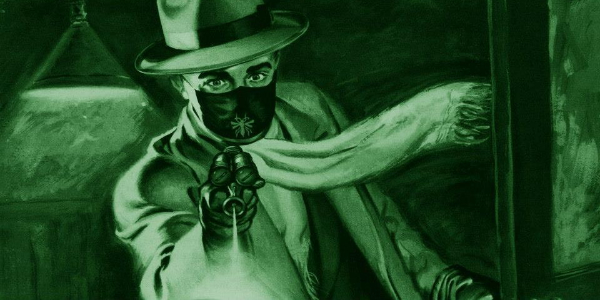
And I don't like the character the way I think the author intends me to. But I think dialogue wise plotting, it's really well written. So I would say again, it's a look the Green Hornet. I can't decide. It both absolutely does not Stand the test of time. And then does in terms of just technical expertise. And who is it? It's the great. Is it Norman MacDonald who directs it, who's just always technically fabulous in the execution of the performances and the sound design. That whole scene at the water trough, you see it all, but there's no
[00:51:37] Speaker C: narration
[00:51:37] Speaker D: to say, and now I'm gonna put your head in this water trough. You just see it all. So Stand the test of time. And it does in half and half.
It's like that episode of Star Trek where one side of his face is white and the other side is black.
[00:51:53] Speaker C: You were so brazen.
[00:51:55] Speaker B: That character freaked me out when I was 19. One side is
[00:51:58] Speaker D: Apu, the other side is Homer. Frank Gorshen,
[00:52:01] Speaker B: I hear you on all of that. For whatever reason, I didn't like the plot.
I didn't find it that interesting. I don't like the character either. If it's by how he's written or how he performed it, I don't like him.
[00:52:19] Speaker D: Well, it can't be how he performed it because it's Dana who played the frontier gentleman and the frontier gentleman is great.
[00:52:26] Speaker C: Ergo,
[00:52:27] Speaker B: I just let you talk
[00:52:30] Speaker C: 10 minutes.
[00:52:32] Speaker B: It didn't say anything. Yeah, no. That performance, I didn't find the plot that particularly interesting or revealing or suspenseful or tent. There's no tension for me. I, I, I really did not enjoy this at all. Wow. Yeah. I, I'm saying that with this hesitation because we've disagreed in 10 years for sure, but I've always ended up going, oh, yeah, I get what you're saying. I don't know what you're talking about this time. Like
[00:53:04] Speaker D: finally grew a pair. You stand in
[00:53:06] Speaker C: your brow.
[00:53:09] Speaker B: I don't know what you're talking about. I really was lost. Here's something that we didn't say in the discussion. I just want to quickly. I was really.
Okay. I came around and understood something, but I was really confused by the quote unquote, commercials.
[00:53:26] Speaker C: Oh, my gosh. Yes.
[00:53:28] Speaker B: Because I was like, what is this for? What's going on? It wasn't until the end when I realized this was an Armed Forces Radio broadcast. They're not commercials. They're not for anything. They're
[00:53:39] Speaker D: like public service announcements.
They're just
[00:53:42] Speaker B: telling the soldiers stuff. Hey, respect other cultures. It was stuff.
[00:53:46] Speaker C: Hide your tattoo, man.
[00:53:48] Speaker B: Right. They were PSAs directly toward the soldiers.
[00:53:52] Speaker D: It was shocking to think back to a time in which tattoos were not ubiquitous.
[00:53:56] Speaker B: Right.
[00:53:56] Speaker C: Yeah.
[00:53:57] Speaker B: But not just the tattoo. On all three of the breaks.
[00:53:59] Speaker C: Yes.
[00:54:00] Speaker B: Were information for the soldiers. Until I realized this was an Armed Forces Radio broadcast. And then I went, oh, I get what they're doing now. It makes sense. Before that, it was a fever dream. I was like, what is happening? What are we talking about here?
[00:54:17] Speaker D: Was it a broadcast?
[00:54:19] Speaker B: I heard it at the very end.
[00:54:21] Speaker D: Oh, okay.
But there are a lot of radio shows from this era that have these public service announcements.
[00:54:26] Speaker B: Not like this. This was, you know, don't forget to brush your teeth.
[00:54:30] Speaker D: Because it was telling you weird historical stuff. Like. And weird
[00:54:33] Speaker B: historical stuff.
[00:54:34] Speaker D: Virginia and the House of Burgesses, which also
[00:54:37] Speaker B: the historical stuff was ended with. That's what we're fighting for.
[00:54:42] Speaker D: No, that makes sense. Yep.
[00:54:43] Speaker B: That's the Constitution. That's why you're out there. Hey, respect other cultures. Freedom to
[00:54:48] Speaker D: move from state to state. Killing bears and Indians. That's what we're fighting for.
[00:54:52] Speaker B: Right?
[00:54:52] Speaker C: That. That one in particular.
[00:54:54] Speaker B: Yeah, that one in particular.
[00:54:55] Speaker C: Like, man, it was really tough establishing land for our children by killing all those Indians and taking their land.
[00:55:00] Speaker B: Until I got context for that, I was literally like, in a free fall. What is this?
It's still kind of weird and still not great. But
[00:55:13] Speaker D: I'm imagining you in history class now as a kid, like, what's going on?
[00:55:18] Speaker B: But the context of it being going to the soldiers. I went, ah, now I see what these are in here for and what they're doing.
[00:55:27] Speaker C: Telling the soldiers to bring apple saplings. And why. Why are you giving us this list of sapling trees to bring with us when we move to Pennsylvania.
[00:55:38] Speaker B: But I was really glad to get context anyway. No, I don't like it,
[00:55:42] Speaker D: but within our voting parameters, it's just Crap.
[00:55:46] Speaker B: Yeah.
No, I didn't like it. Yeah. I'm going to just say, overall this episode, I would like
[00:55:53] Speaker D: to definitely bring in another episode.
[00:55:54] Speaker B: Yeah, do it. Because you did it with Frontier Gentlemen. You did it. You brought one. And I went, that was brilliant. So bring another one.
[00:56:04] Speaker C: I'm gonna sound very similar to Joshua, although I think get there by a different path. The character and his likability or lack of it. He really struck me as spoiled rich kid. They kind of established that he comes from family who, like, I'm gonna dress myself all in black and wear a white knight and call myself Paladin.
That he can afford to never have to face how uncool he is.
That is the vibe I got off of this character, which did not make me like him more. But just like, I don't know that he's 100% infallible. I think he's just.
I'm putting that on there. There is no way that is what they intended. But it really paints a picture to me of a lot of dressing up as cool.
[00:57:01] Speaker D: You beat me up in high school, Paladin.
[00:57:04] Speaker C: Or that's like, I spent a lot of time in college dressing up in black and no one ever sat me down and had them talk with me about it.
[00:57:14] Speaker D: Tim, you're not Paladin.
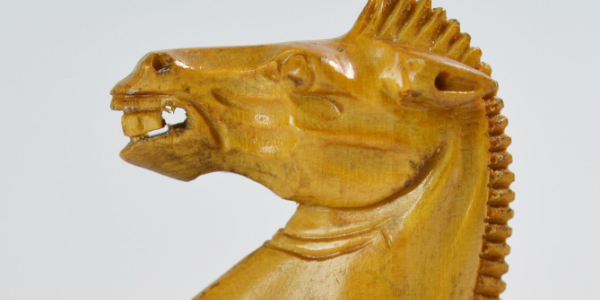
[00:57:16] Speaker C: But I have a little chess piece.
[00:57:19] Speaker D: Have comic books. Will travel.
[00:57:24] Speaker C: And as far as the plot, again, the same destination of it is half Stand the test of time. Because this is an episode of Star Trek which clearly has stood Stand the test of Even if it doesn't. And it also doesn't because it doesn't.
[00:57:40] Speaker D: Yeah. This does feel like a Star Trek episode in which they have to blend in because of the Prime Directive.
[00:57:47] Speaker C: Yes.
[00:57:48] Speaker D: And become one of the people on the planet in order to teach someone a lesson. Usually a beautiful green woman.
[00:57:56] Speaker C: Like, yeah, this is a half hour show. Because he didn't have a communicator to talk to his crew, which was the other half hour of the show that we didn't get to see.
And all that being said, I kind of like classic Star Trek. It's pretty fun. I have a good time.
So I enjoyed this, recognizing that it's not cool.
So ultimately, if I have to pick one.
Stand the test of time. Rounding up to that.
[00:58:22] Speaker D: Good. The last thing I want to throw on before Tim tells us stuff is that
[00:58:27] Speaker B: you're not allowed to say that.
[00:58:31] Speaker D: I'll bleep it out.
He has got
[00:58:34] Speaker C: some balls now. Dang.
[00:58:38] Speaker D: This is part of the reason I wanted to do the 10 for 10 anniversary series of episodes because over 10 years we revisit a lot of the series and we start to develop this idea. Like I'm pretty sure what Eric going to think about program X and Tim about program Y. I mean, sometimes we surprise one another depending on the particular episode. But so far, three discussions in. It's been really exciting to just have something brand new to the three of us to subscribe. I found
[00:59:07] Speaker C: one so intolerable to Eric.
I'm pretty proud of myself.
[00:59:12] Speaker D: You should be. Tim, tell him. Stop.
[00:59:17] Speaker C: Please go. Visit ghoulishdelights.com own this podcast. You can find other episodes there. If you dig around, you can find some photos of me dressed all in black.
And you can also find a link to our store. You could buy some T shirts, some. Some hoodies. You could buy some coffee mugs.
Stuff with our logo. We love selling stuff with our logo. And you'll find a link to our Patreon page.
[00:59:41] Speaker B: Yes, go to our Patreon page. We're switching things up. No, I can't do it. I don't know what you.
You give us money and then we can continue to do this. And there's all sorts of perks like book club and happy hour and we have so many special extra episodes. And so if you go to our Patreon page and for a very small amount of money, you will help us so much to continue doing this
[01:00:06] Speaker C: world hot crazy.
[01:00:07] Speaker D: That was really good. Thank you. Do you think you may have earned this gig?
How to do yours? Hey. The Mysterious Old Radio Listening Society is also a performance group, believe it or not. And we are performing regularly all over the metro area and occasionally Wisconsin, to our shame.
So please, if you would like to come see us, come see us.
Look us
[email protected] that will tell you everything where we're performing. And if you can't come see us, you can become a Patreon supporter because we post the audio versions of our shows like New Old Time Radio on the Patreon site and you can listen to it and judge us accordingly.
[01:00:55] Speaker B: Wow, we should all feel really bad about ourselves.
[01:00:58] Speaker C: What's coming up next?
This one I can't do because I never know.
What is next.
[01:01:09] Speaker D: I have no idea.
[01:01:11] Speaker I: Look out.
[01:01:13] Speaker D: There's more.