[00:00:16] Speaker A: The mysterious old radio listening society podcast.
[00:00:27] Speaker B: Welcome to the Mysterious Old Radio Listening Society, a podcast dedicated to suspense, crime and horror stories from the golden age of radio. I'm Eric.
[00:00:36] Speaker C: I'm Tim.
[00:00:36] Speaker D: And I'm Joshua.
[00:00:38] Speaker B: We love mysterious old time radio stories, but do they stand the test of time? That's what we're here to find out.
[00:00:43] Speaker C: In December of 2017 we each selected Christmas themed episodes to listen to and I chose an adaptation of Charles Dickens other ghost story, the Signalman. The story doesn't inherently have a Christmas theme, but ghost stories are a bit of a holiday tradition in Britain.
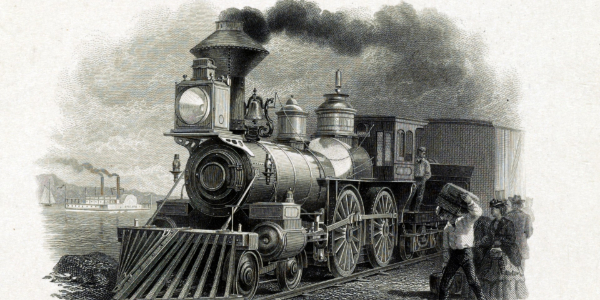
[00:00:58] Speaker D: 23 years after publishing A Christmas Carol, Dickens published the Signalman in the 1866 Christmas edition of the literary magazine all the Year Round. It was part of an anthology called Mugby Junction which featured stories about the rail lines that extend from that junction.
[00:01:16] Speaker B: The story was adapted by several series including Lights out, hall of Fantasy, Columbia Workshop and Nightfall. Suspense adapted the story for radio three times. The first featured Agnes Moorhead and aired March 23, 1990.
It returned in November of 1956 featuring Sarah Churchill and then again in February of 1959 featuring Ellen Drew.
[00:01:39] Speaker C: Given how many adaptations of the story exist, I thought it would be fun to make a holiday tradition of listening to a different version each December. That first year we listened to the suspense production from 1956 with Sarah Churchill. The year after that we listened to Columbia Workshop's take on the story. Next we listened to Beyond Midnight followed by the Lights out, and then returned to Suspense for the adaptation starring Alan Drew from February 1959. After that we checked out Nightfall and then an even more recent version from Seeing Ear Theater. Last year we went way back for the Weird Circles version.
[00:02:11] Speaker D: This year we'll be listening to the CBC Mystery Theater's take on the story. The series was a relatively short lived Canadian production that ran from 1966 to 1968 and we don't know a lot about it, but they adapted the signalman sometime in 1968 and we're going to listen to it.
[00:02:30] Speaker B: It's late at night and a chill has set in. You're alone and the only light you see is coming from an antique radio. Listen to the sounds coming from the speaker, listen to the music and listen to the voices.
[00:02:46] Speaker E: Mystery Theater.
CBC presents Mystery Theater, a series of strange tales of the supernatural and the unforeseen, of chills and thrills and adventures selected from the classics.
Here then, the story the Signal man by Charles Dickens, adapted for radio by George Salverson, the Natural and the Unforeseen of chills and thrills and adventures selected from the classics.
Here then, the story the Signal man by Charles Dickens. Adapted for radio by George Salverson.
[00:03:47] Speaker F: Good strain by 1122.
All clear.
Bright moon.
Oh, well, don't bother me now.
Making tea?
Aye, tea.
What's that?
[00:04:15] Speaker A: Who's there?
[00:04:15] Speaker G: Hello?
Hello there.
[00:04:20] Speaker A: Oh.
Who's there?
[00:04:26] Speaker G: You there.
[00:04:27] Speaker F: What's the matter?
Hello, you by the danger light.
[00:04:31] Speaker G: What you been doing there?
[00:04:34] Speaker F: Was it you that called?
[00:04:38] Speaker G: What do you want?
Speak up there.
What's wrong?
[00:04:56] Speaker A: When first I saw the signal man, when I first called down to him, I was so steeped in the glow of an angry sunset that I had to shade my eyes before I saw him at all.
[00:05:08] Speaker G: Hello?
[00:05:10] Speaker A: Below there his figure was in a shadow. He was standing at the door of his signal box with a flag in his hand. But instead of looking up to where I stood on the top of the steep cutting over his head, he turned round and looked the other way, down the rail line toward the tunnel. There was something remarkable in his manner of doing so, But I could not for my life have said what?
[00:05:35] Speaker G: Hello, there.
[00:05:39] Speaker A: He turned around again, looked up, saw me, but made no reply.
Just then there came a big vibration in the earth and air, changing to a violent pulsation within an oncoming rush that caused me to start back as though it had forced to draw me down.
When such vapor as rose to my height had been past me. I looked down again.
He was referling his flag, which he had shown while the train went by, and he was regarding me with fixed attention.
I say, is there a good way down?
I see a kind of path there. Is it safe to come down by it?
I want to have a look round. Is it all right?
Is the man a mute?
I don't believe I can make it.
[00:06:38] Speaker G: Look out below. Loose stones.
[00:06:44] Speaker A: Strange fellow.
Is he frightened of me?
I made my way down the deep railway cutting down oozy, clammy stone, and he was waiting for me between the rails with an attitude of such expectation and watchfulness that I stopped wondering at it.
His post was solitary, dismal, jagged rock walls excluding all but a strip of sky terminating in a red danger light and a black tunnel. Cold wind rushed through it, hissing over the telegraph wires, striking chill to me as if I had left the natural world and the signal man had not stirred. I drew near. I made some little greeting. At this he directed a most curious look toward the red danger light, as if there was something missing from it. Then he looked back at me.
[00:07:49] Speaker E: Is the.
[00:07:50] Speaker A: Is the light in your charge.
[00:07:52] Speaker F: Don't you know it is?
What is it you want?
[00:07:55] Speaker A: Why, to explore. It's my craft, you might say.
Why, what's the matter, man? You look at me as if I were a danger to you.
[00:08:04] Speaker F: I thought I'd seen you before.
[00:08:05] Speaker A: Oh, where?
What, where? At that red light.
[00:08:10] Speaker F: Ay.
[00:08:11] Speaker A: Oh, my good fellow. Now what should I do? At the mouth of a tunnel? I never was there, you may swear.
[00:08:17] Speaker F: You're crafted, you say, sir.
What craft, sir?
[00:08:20] Speaker A: Why, to observe, to notice, to remember, to record, to recreate in artful reconstructions our contemporary life.
In short, to write.
[00:08:33] Speaker F: You be the writing gentleman, as is staying in the village.
[00:08:37] Speaker A: You see, it's most unalarming.
[00:08:40] Speaker F: Ay, sir, indeed.
[00:08:43] Speaker A: May I have a look round, then?
[00:08:44] Speaker F: Oh, of course. Indeed, sir.
Would you like to see the signal box?
[00:08:49] Speaker A: Thank you.
Everything is grist for the bill, you know.
I may find you and your little trackside domicile in the midst of great happenings one day. In story or novel?
[00:08:59] Speaker F: Oh, that would be fine, sir.
[00:09:03] Speaker A: You will work all alone in this place?
[00:09:06] Speaker F: I, sir? All alone until the next shift.
[00:09:09] Speaker A: All night?
Aye.
[00:09:12] Speaker F: 12 hours, sir.
[00:09:13] Speaker A: Long hours for a solitary man. Was that responsibility?
There are many wrongs in this world, you know, and I take it as my duty to strike out at them.
[00:09:24] Speaker F: True words.
Would you step inside?
[00:09:28] Speaker A: Thank you.
Ah, you're quite cozy in here, I see. You keep a close watch on the danger light.
Is there anything wrong with it? What?
[00:09:46] Speaker F: What? What, sir?
[00:09:47] Speaker A: I was wondering, is there something wrong with that danger light?
[00:09:51] Speaker F: Oh, no. No, sir.
[00:09:53] Speaker A: But you keep looking at it.
[00:09:55] Speaker F: Aye.
Trim the light when needed. Change the signal when the line is clear. No opposing traffic, you know, sir.
We'll shut out that cold wind, shall we, sir?
[00:10:07] Speaker A: Oh, right.
The fire, I must say, is welcome.
Remarkable how much colder it is down here.
The damp.
[00:10:20] Speaker F: And the wind through the tunnel, sir.
[00:10:22] Speaker A: That explains it. Certainly.
Though when one senses are tuned to all impressions, it seems more than natural.
[00:10:31] Speaker F: Would you have some tea, sir?
[00:10:33] Speaker A: Yeah, it's very kind of you.
[00:10:35] Speaker F: Oh, you'll pardon me, sir.
[00:10:36] Speaker A: A message, by all means.
I'll help myself. May I, please, sir?
He seemed quite a different man now. He replied to my questions with readiness.
I observed him to be remarkably exact and vigilant, which might have explained his several penetrating glances at that danger light.
Several times he was interrupted by the electric bell and had to read off messages. We drank the welcome tea. We chatted about the railroad life. And then a strange thing happened.
[00:11:18] Speaker F: Ay, when you put it that way, sir.
But it's such a part of my life like eating. I hadn't thought on it.
[00:11:25] Speaker A: Yes. Yes. You know, it's less than 20 years since Mr. Morse made his invention.
[00:11:30] Speaker F: Is it, sir?
[00:11:31] Speaker A: It is. And now in many countries of Europe and in America, hundreds, nay, thousands of lives of travelers depend on this telegraph of yours. And the responsibility and meticulous care of lonely men like yourself.
[00:11:44] Speaker F: Well, when you put it that way, sir, yes, it is quite.
[00:11:48] Speaker A: What is it?
Bell?
[00:11:52] Speaker F: Please, sir.
[00:11:53] Speaker A: What are you listening to?
[00:11:54] Speaker F: Excuse me, sir.
[00:12:00] Speaker A: What is it? Is it the light?
The light is functioning properly.
[00:12:09] Speaker F: What?
Oh.
Oh, aye, sir.
[00:12:12] Speaker A: You must keep unceasing vigilance.
[00:12:15] Speaker F: In a manner of speaking, sir.
Will you have more tea, sir?
[00:12:18] Speaker B: Yes.
[00:12:19] Speaker F: I think it's a rarity, sir, and most welcome visitor here.
[00:12:28] Speaker A: I. I can imagine you would have many hours for thought and reflection here.
[00:12:34] Speaker F: The mind wanders. Must be a grand thing, sir, to be a man like yourself, with the thoughts you must have to fill the tavern.
[00:12:43] Speaker A: Yes. It is a busy head, this.
There are times, you know, when I long for a silence. Up there.
[00:12:49] Speaker F: Is it working all the time, then?
[00:12:52] Speaker A: Even as I strolled in the field from the village, Even as I discovered you below me in the cut.
[00:12:57] Speaker F: What thought, sir?
[00:12:59] Speaker A: Might I ask, why not words for a book?
[00:13:03] Speaker F: The actual words inside your head.
[00:13:07] Speaker A: Inside my head? Ready for the paper.
[00:13:09] Speaker F: You can recall them, sir?
[00:13:11] Speaker A: Memory a part of the cast. I train myself, you see. I walk down a street in London. I glance once into each shop window. Then I write down each item in each window.
[00:13:23] Speaker F: What words did you have as you came along, sir?
[00:13:27] Speaker A: Your village, sir. Did you know a battle was fought there? A battle?
[00:13:33] Speaker F: When, sir?
[00:13:34] Speaker A: Why, in the time of Cromwell. Didn't you ever hear that?
[00:13:37] Speaker F: Oh, never, sir.
Were you thinking on the battle then, sir? You?
[00:13:41] Speaker A: Yes.
[00:13:42] Speaker F: Oh.
[00:13:43] Speaker A: What's that?
Only the wind in the telegraph.
[00:13:47] Speaker B: Wise?
[00:13:47] Speaker A: Oh, yes, of course.
[00:13:50] Speaker F: Your battle words.
[00:13:52] Speaker A: Battle words? Yes, well, it begins once upon a time.
[00:13:59] Speaker F: They all do that. Yes.
[00:14:01] Speaker A: Once upon a time. It matters little when, and it matters little where a fierce battle was fought. Not a hundred soldiers in the battle knew for what they fought or why. Not a hundred of the rejoicers in the victory. Why they rejoiced. Not half a hundred people were the better for the gain or loss. Not half a dozen agreed to this hour on the cause or merits. Nobody, in short, ever knew anything distinct about it except the mourners of the slain. For it was a great fight in which thousands upon thousands had been killed.
[00:14:38] Speaker F: Ah, sir, that's well said.
[00:14:40] Speaker A: Heaven keep us from a knowledge of the sights that moon beheld upon the field when, coming up above the black line of distinct rising ground she rose into the sky and looked upon the plain strewn with upturned faces that had once at mother's breasts sought Mother's eyes.
Heaven keep us from a knowledge of the secret Whispered afterwards upon the tainted wind. Tainted wind before the traces of the fight were worn away Many a lonely moon was to rise and be bright upon the battleground and many a wind from every quarter of the earth was to blow over it.
[00:15:15] Speaker F: High wind, who can tell where the wind has been?
[00:15:18] Speaker A: Those traces of the fight lingered for a long time but surviving only in little things.
[00:15:24] Speaker F: Little things.
[00:15:25] Speaker A: Crops were sown and grew up and gathered. The stream that had been crimson turned a watermill. Men whistled at the plough.
[00:15:35] Speaker F: But, sir, the death was still there.
[00:15:39] Speaker A: Sabbath bells rang peacefully. Young people lived and old people died. The simple flowers of the garden grew and withered in their destined terms upon the fierce and bloody battleground where thousands upon thousands had been killed in the great fight.
[00:15:53] Speaker F: Still there since.
Little things, she said, sir. What? You said little things.
[00:15:59] Speaker A: The little things which the battle survived. Yes, sir. Oh, well, for a long time in the growing corn there were deep green patches that people looked at awfully.
Year after year they reappeared. And it was known that under those fertile spots heaps of men and horses lay indiscriminately buried, enriching the grounds. The husbandmen who ploughed those places shrank from the great worms. A pound one dinted helmet had been hanging in the church so long that the same old man who tried in vain to make it out above the arch had marveled at it as a baby.
Old wives tales so fanciful that they make it easy to forget the truth.
[00:16:44] Speaker F: Old wives tales, yes.
[00:16:48] Speaker A: All that remained of the truth.
[00:16:49] Speaker F: No, sir. No, no, it's still there, sir.
[00:16:54] Speaker A: Was the truth.
[00:16:55] Speaker F: Yes, sir. Oh.
[00:16:57] Speaker A: Ah. The truth being that if the host slain upon the field could have been for one moment reanimated in the forms in which they fell, each upon the spot where he fell gashed and ghastly soldiers would have stared in at household door and windows deep and would have risen on the hearths of quiet homes and would have been in the garnered store of barns and granaries and would have started up between the cradled infant and its nose, would have flo stream and whirled around on the mill and crowded the orchard and burned the meadow and piled the rickyard high with dying men. I, I, I.
So altered was the battleground where thousands upon thousands had been killed. In that? Aye. Aye, Aye.
Oh, aye.
[00:17:46] Speaker F: Now, now, now.
[00:17:47] Speaker A: These are only words. No, no, please, please sit down.
[00:17:51] Speaker F: More than words.
[00:17:51] Speaker D: More.
[00:17:52] Speaker G: Calm yourself, please.
[00:17:53] Speaker F: Truth.
Did you not say it yourself, sir? Truth.
[00:17:58] Speaker A: Yes, of course. But merely a concept of the mind all the same. Here, let me give you some more tea. No, what though. I am extremely sorry, I.
[00:18:08] Speaker F: Quiet. Yes?
[00:18:11] Speaker E: What?
[00:18:13] Speaker F: Well, did you hear the bell?
[00:18:16] Speaker A: No.
[00:18:16] Speaker F: The message? Can you not hear the telegraph?
[00:18:19] Speaker A: No, not a sound.
Only the wind in the wires.
Wind in the wires.
[00:18:32] Speaker F: Sir?
[00:18:32] Speaker A: Yeah.
[00:18:35] Speaker F: You know, sir, Know these things, you understand them.
[00:18:41] Speaker A: What things?
[00:18:43] Speaker B: Like.
[00:18:45] Speaker F: My trouble.
[00:18:46] Speaker A: What trouble?
[00:18:48] Speaker F: Hard thing to speak of, sir.
[00:18:50] Speaker A: I'm listening.
When.
[00:18:55] Speaker F: When you stood at the top there above the.
What made you, sir?
Why did you call out in just that way?
[00:19:07] Speaker A: What way do you mean?
[00:19:09] Speaker F: Hello, below there, you said.
Why was that?
[00:19:12] Speaker A: Heaven knows. I did shout something to that effect.
Because I saw you below.
Is that all? Yes. What other reason could I possibly have?
[00:19:24] Speaker F: True too.
[00:19:26] Speaker A: What is it that troubles you, man?
I?
[00:19:31] Speaker F: A man like you, sir, I can tell you.
[00:19:34] Speaker A: Yes, you tell me.
[00:19:38] Speaker F: An hour ago.
An hour ago I took you for.
[00:19:46] Speaker A: For what?
[00:19:47] Speaker F: For someone else.
[00:19:49] Speaker C: For who?
[00:19:50] Speaker F: I don't know who. I never saw the face.
[00:19:53] Speaker A: How's that?
[00:19:54] Speaker F: The left arm is across the face, the right arm's waved.
[00:19:58] Speaker A: What do you mean?
[00:19:59] Speaker F: Well, like this. The face is covered. The arm is waving.
[00:20:03] Speaker G: Waving, waving.
[00:20:05] Speaker A: Where was this last year?
[00:20:08] Speaker F: It started one moonlight night.
[00:20:10] Speaker A: What started?
[00:20:12] Speaker F: I was sitting here when I heard a voice.
Hello.
[00:20:17] Speaker A: Below there.
Last year.
Oh, then you don't mean me.
[00:20:23] Speaker F: No, sir.
[00:20:27] Speaker A: You know there are mental states in which we may confuse time.
[00:20:31] Speaker F: Last year I jumped up, opened that door and saw this.
[00:20:37] Speaker A: This what?
[00:20:37] Speaker B: This.
[00:20:39] Speaker F: Someone standing by the red danger light near the tunnel. Ah, the danger light. Standing there waving, just as I showed you. I just got hold of my lamp, I turned it on red and I ran towards.
[00:20:50] Speaker A: Ran towards this person.
[00:20:53] Speaker F: It was standing just in front of the black mouth of the tunnel. I ran right up. I came so close that I wondered at the sleeve still across the eyes. I had my hand up to pull the sleeve away.
[00:21:04] Speaker A: Didn't you?
[00:21:05] Speaker F: No.
[00:21:05] Speaker A: Why not?
[00:21:05] Speaker F: It was gone.
[00:21:06] Speaker A: Gone?
How could it be gone?
How was it rain or fog? Oh no, you said bright moonlight.
Did you? Look, what about the time I ran.
[00:21:16] Speaker F: Into the tunnel, held up my lamp, saw all them wet stains creeping down the walls.
Like something in those words. And you head.
[00:21:31] Speaker A: Wasn'T the person there?
[00:21:33] Speaker F: No.
I ran out again, come in here and telegraphed both ways.
[00:21:39] Speaker A: You telegraph? What did you say?
[00:21:42] Speaker F: An alarm has been given.
Is anything wrong?
[00:21:45] Speaker A: Did you get an answer both ways and all? Well, very dear fellow.
I wish I'd known this before I made my little recitation.
[00:21:58] Speaker F: Then I'd never have told you, sir.
I'd never tell anyone.
[00:22:03] Speaker A: Then perhaps it's just as well you know these things.
[00:22:06] Speaker F: Sir.
Sir.
What is it?
[00:22:10] Speaker A: Well, now, to begin with, sir.
Well, it's not what you think.
[00:22:16] Speaker F: Then, sir.
[00:22:18] Speaker A: Well, you see, strange shapes are often known to trouble the. The delicate nerves of the eye. Yes, have you thought of that? The dust, the soot, the smoke with every passing train.
[00:22:30] Speaker F: Oh, no, sir.
[00:22:30] Speaker A: Oh, yes. As to the imaginary cry, why, listen to the wind in this unnatural valley.
[00:22:39] Speaker F: I see you meaning, sir, but there's more.
[00:22:44] Speaker A: Oh, what else?
[00:22:46] Speaker F: Within six hours of what I've described to you, the accident happened.
Accident? And through the tunnel, over the spot where I had seen what I had seen.
They brought the dead. Oh, like your battlefield, sir.
[00:23:02] Speaker A: Oh, now I understand.
[00:23:02] Speaker F: I haven't finished him.
That was last year.
One morning five months ago, as the day was breaking, I looked towards the tunnel.
[00:23:12] Speaker E: You heard the cry?
[00:23:13] Speaker F: No. It was silent and did not wave an arm.
It was leaning against a shaft of light.
[00:23:19] Speaker A: A shaft of light?
[00:23:20] Speaker F: So it seemed, with both hands covering.
[00:23:24] Speaker A: Its face in mourning.
[00:23:26] Speaker F: Like this.
[00:23:28] Speaker A: Aha. Yes.
[00:23:29] Speaker F: Morning.
[00:23:30] Speaker A: Incredible. I've seen such an attitude in stone figures on tombs. Well, perhaps not so incredible if you had seen them.
[00:23:38] Speaker F: I come in, sat down feeling faint, but nothing happened. This time, that very day, a train stopped. Well, right here.
[00:23:47] Speaker G: Well, what of it?
[00:23:48] Speaker F: No train stops here.
[00:23:51] Speaker A: Then why?
[00:23:53] Speaker F: They brought in a woman.
She'd been too ill on the train.
She died right here.
[00:24:01] Speaker A: But, my dear man, people are dying all the time somewhere.
[00:24:04] Speaker C: But not.
[00:24:05] Speaker F: Listen, Judge, how my mind is troubled.
[00:24:08] Speaker A: Oh, yes, yes, yes, of course. You've seen it again.
[00:24:10] Speaker F: A week ago it came back. Ever since, off and on, it's been there.
[00:24:17] Speaker A: At the danger light.
[00:24:18] Speaker F: At the danger light.
I've no peace nor rest.
It goes on calling for minutes at a time.
[00:24:25] Speaker A: Hello.
Hello there.
Look out, look out, look out, look out. Oh, my dear fellow.
[00:24:34] Speaker F: It stands waving. It rings, that bell.
[00:24:37] Speaker A: Yes, yes, yes.
Now, when you went out then, to look at the light, had your bell rung then?
[00:24:44] Speaker F: Aye, sir. Oh, it had. I see.
[00:24:49] Speaker A: Now then, you listen to me now. Just see how your imagination misleads you, eh? As a living man with ears in my head, I assure you that bell did not ring.
[00:24:59] Speaker F: Then I heard it. I went to the door, I looked.
[00:25:02] Speaker A: And it was there. This figure, it was there.
Do you think it's there now?
[00:25:08] Speaker F: Ay, sir.
[00:25:09] Speaker A: Will you come with me and look?
[00:25:13] Speaker F: Aye, sir.
[00:25:14] Speaker A: Well, come along, then.
Well, there's the danger light. Where's the figure?
[00:25:25] Speaker F: Oh, it's not there.
[00:25:28] Speaker A: Of course it's not.
[00:25:34] Speaker F: What does it mean, sir?
What is the danger this time? There is danger up the line, hanging over some train that's due here. Some worse accident.
[00:25:43] Speaker A: You don't believe it? Yes, yes, yes. I believe everything you've told me.
[00:25:47] Speaker F: No, I mean, do you think I'm Mads? No, no, no, no, no, no.
[00:25:50] Speaker A: Why? Well, if you were.
If you were, you wouldn't ask such a question, would you?
But, you see, I do attribute it to a nervous condition. In such a place as this. It could happen to anybody. Well, to me. You see.
[00:26:05] Speaker F: What can I do?
[00:26:06] Speaker A: Well, I want to help you.
Now, will you come with me tomorrow? And we will see what may be done?
[00:26:13] Speaker F: Where, sir?
[00:26:13] Speaker A: To a wise medical practitioner, a friend of mine. You will take his opinion, and I am certain that he can relieve you of this.
Well, it's purely nervous imagining.
[00:26:24] Speaker F: Do you think so?
[00:26:25] Speaker A: As certain as one may be of anything. Will you come in the morning after your shift?
[00:26:30] Speaker F: Aye, sir.
[00:26:30] Speaker A: Very good. Now, put your mind at ease. What you've told me is quite natural. There is nothing whatsoever to be concerned about. But do come and see me.
I.
I believe you know where I'm staying.
[00:26:44] Speaker F: Aye, sir.
[00:26:45] Speaker A: Well, now, be sure you come. It's for your own peace of mind and, of course, the public safety.
Don't you agree?
[00:26:52] Speaker F: Oh, I do, sir, I do.
And thank you, sir.
[00:26:56] Speaker A: Not at all. I'll expect you.
Well, good night. And keep your mind off that abominable wind.
[00:27:05] Speaker F: Good night, sir. Oh, you've not told me your name, sir. Oh, just ask for Charles Dickett.
[00:27:13] Speaker A: Good night.
[00:27:15] Speaker F: Good night, Mr. Dickens.
[00:27:24] Speaker A: Poor devil.
And it is a matter of the public safety, I must say.
What about my own safety? I still have to make my way back up there somehow in the dark.
Well, at least there's no one back there at the light.
Oh, splendid. A train.
Now I'll be covered with soot before I can reach the top.
I heard it.
[00:28:13] Speaker F: I did hear it. Yes, it rang.
Did it ring?
No, he said it doesn't ring.
[00:28:24] Speaker A: It does.
[00:28:26] Speaker F: Oh, how am I to tell?
Yes, I can see it's ringing.
No, I answered and they haven't called.
Who is it out there?
Did it ring the bell?
Dear God, it's there.
Oh, heaven.
[00:28:59] Speaker A: Dear God, the trains in the tunnel.
[00:29:01] Speaker F: What's going to happen to it?
[00:29:03] Speaker G: Look out.
[00:29:04] Speaker A: Look out.
Ah, look at him.
[00:29:27] Speaker B: Here.
[00:29:28] Speaker G: Bring the bloody tarp Tom, hop into the Signal up and warn them. We don't want the bloody express running into us. Up at you.
Cover him up, for God's sake. That's it.
[00:29:37] Speaker A: Here, you. What is it? What's happened?
[00:29:40] Speaker G: Well, he got bloody well run over, that's what.
[00:29:46] Speaker A: Signal man.
[00:29:47] Speaker G: The signal man.
[00:29:48] Speaker A: What's left of him.
[00:29:49] Speaker F: Dummy.
[00:29:50] Speaker A: I stayed with you.
[00:29:52] Speaker G: You, sir, what's it to do with you?
[00:29:55] Speaker A: Never mind. How did it happen?
[00:29:57] Speaker G: Coming round the curve of the tunnel I was. And there he was in the middle of the track. Paid no heed to the bloody whistle. Stood there and didn't move. And we. We run him down.
[00:30:06] Speaker A: Doesn't make sense.
[00:30:08] Speaker G: It's bloody well don't.
[00:30:09] Speaker A: What did you do?
[00:30:10] Speaker G: What the bloody hell else could I do?
[00:30:13] Speaker A: What happened to me? This man lose all power of movement to simply stand between the rails and be run down. Look, I want to know what you did. What I did?
[00:30:24] Speaker G: Well, I'll tell you. I whistled, I shut off, I braked and there was nothing to do then but cover me bloody eyes and wave at him.
[00:30:34] Speaker A: Cover your eyes and wave at him.
[00:30:37] Speaker G: I shouted me bloody lungs out.
[00:30:40] Speaker A: Shouted?
[00:30:41] Speaker G: Yes, shouted.
[00:30:44] Speaker A: Now tell me something.
[00:30:44] Speaker F: What?
[00:30:45] Speaker A: Just what did you shout?
[00:30:47] Speaker G: What did I shout? What's it bloody well matter? I shouted. What did you shout?
[00:30:51] Speaker A: At the man.
[00:30:51] Speaker G: But what else would I shout? Hello, below there. Look out, look out, look out.
[00:31:08] Speaker A: The distraught of the motor driver moved his eyes from my face.
He looked down at the crumpled figure under the top wall. And then as I watched him, unbelievingly, he hid his face in both hands. It was an action of mourning.
I have seen such an attitude in stone figures on tombs.
[00:31:39] Speaker E: Mystery Theater has presented the Signal man by Charles Dickens in radio version by George Silverson. Production and direction Gene Bartels in the cast, Henry Comer, the signal man. William Osler Dickens. Glenn Morris, the engineer.
Sound effects were by Bill Roach. Technical operation Brian Wood. This is Bill Lorne speaking.
[00:32:04] Speaker B: That was our ninth version of the Signal man from the CBC Mystery Theater here on the mysterious old Radio Listening Society podcast once again. I'm Eric.
[00:32:17] Speaker C: I'm Tim.
[00:32:17] Speaker D: And I'm Joshua.
[00:32:19] Speaker B: Yeah, Signalman.
You know, I'm never surprised by the ending anymore. I know what's coming.
All we can do with these now is it's just an analysis of how did they tell the story and did they do it? Well, remind me though. And every December I have to ask this question.
What's the one that we liked? Was it Sarah Churchill's?
[00:32:43] Speaker C: The Sarah Churchill Right Outta the Gate was an excellent One.
[00:32:46] Speaker B: I think that was the one that I really liked.
[00:32:49] Speaker D: Every year we remind you which ones you liked. You really liked the lights out version?
[00:32:54] Speaker C: I did, yes.
Nightfall. Surprisingly excellent.
[00:32:59] Speaker B: Ah, yeah, yeah, yeah. I now remember that I have no.
[00:33:03] Speaker D: Recollection of Weird circle.
[00:33:05] Speaker B: You hated it.
[00:33:07] Speaker D: Good. Oh, that was the weird transplant to America one, right?
[00:33:11] Speaker C: Yes. Like Captain Beaver hat.
[00:33:13] Speaker D: I can't remember my name. Yeah. No wonder. That was for my own self protection. My mind erased it.
[00:33:19] Speaker A: You voted for that?
[00:33:20] Speaker C: For the worst thing we listened to there.
[00:33:22] Speaker D: Yes. Captain Beaver.
[00:33:23] Speaker B: Right.
[00:33:24] Speaker C: It was also the one that was not actually called the Signal Man. It was the thing in the tunnel.
[00:33:28] Speaker D: The beaver in the tunnel.
[00:33:31] Speaker B: How many of them? A few of them have done this where they actually identify the narrator, the point of view as being Charles Dickens. But they don't all do that.
[00:33:42] Speaker D: No, I think it's the second or third.
[00:33:45] Speaker B: Third, right? Yeah, I think it's the third one.
[00:33:47] Speaker C: There's been at least two.
[00:33:48] Speaker B: Yeah. That has decided. Yes. My name's Charles Dickens, but up to.
[00:33:51] Speaker C: This point it's mostly just been like. And I'm Charles Dickens. That's as much as.
[00:33:55] Speaker D: It was a twist at the end and a really obvious. That's the thing, I think boring twist.
[00:34:01] Speaker C: Fascinating about this one. Fascinating is a strong word. That's the thing. What's different about this one?
[00:34:06] Speaker D: That's the thing that makes this one.
[00:34:07] Speaker C: Bearable is they put a little effort into the Charles Dickens singing of it.
[00:34:13] Speaker D: Yes. It is not a twist. They attempt to integrate his identity into the story, mash it up.
My issue is it's clearly somebody who hates Charles Dickens.
He is a pompous windbag. So either they've never read Charles Dickens, which would be hard to do if you're adapting his short story, or they were made to read him in high school and this is their form of revenge, getting back at Charles Dickens.
[00:34:41] Speaker B: So I was going to say it's either the writing, directing or performance.
But the person playing Charles Dickens in this, our narrator, is absolutely God awful. Terrible. It's just terrible to listen to him. The guy playing the signalman I think is pretty good. I actually like that guy. The character, how he's written, how he acts. But those are two people doing two different shows.
[00:35:11] Speaker C: That's exactly what like the actor doing Charles Dickens. Like you're doing an excellent comedy. You're not in a comedy.
[00:35:17] Speaker B: Right.
[00:35:18] Speaker D: And it's. He overpowers the signalman, which he shouldn't.
[00:35:23] Speaker C: Right.
[00:35:23] Speaker B: And the interrupting. Okay, well, yes, well. And he just. He's so condescending to him.
I get being condescending in the sense of, well, all right, dude. Yeah, I think you're freaking out. There could be the wind, you know, like. But the way it's written and performed is just so condescending.
[00:35:44] Speaker D: I'm gonna say this about the actor.
I think he's attempting to capture the intent of the script because the words on the page are making Charles Dickens into a dick.
Right. Because he immediately is like, whoa, wait, you're working 12 hour days? Well, I'm a crusading writer. He has this very pompous attitude, then seems to forget that fact. And then his final little moment as he's leaving the cutout and climbing up the stairs and a train comes by, he's just bitching about soot on his right. Fancy crusaders, writer clothes. Like, that's intentional. The script is trying to make him a bloviating jerk.
[00:36:30] Speaker B: Right.
So that's what I said. It's either writing, directing, or performance.
But whoever at fault.
[00:36:36] Speaker D: You said the actor was terrible and he might feel like this is what the script is asking him to give this performance.
[00:36:42] Speaker B: Let me clarify.
If he was told to do that or if it was his choice, it was terrible. That's what I'm getting at.
If it was his choice, someone should have stepped in and said, what are you doing? But you're right. The words on the paper do not allow you to really fluctuate much with the direction you're going to go with performance wise.
[00:37:03] Speaker C: And even aside from the condescension, the actual lines, he's always got a quick comeback to, everything gets said to him. Which is like, that's why in this person who was horrified recounting these traumatic.
[00:37:16] Speaker D: Events that is the heart of this story is that the narrator feels so much for this man he has just met.
[00:37:25] Speaker A: Yes.
[00:37:25] Speaker D: And that empathy is contagious. The reader then feels through this narrator.
And so you take that friendship, or maybe friendship is strong, that, you know, human connection away, and it can feel silly.
[00:37:45] Speaker A: Yep.
[00:37:45] Speaker D: And the first half feels silly. And then it surprised me by quickly adhering to the story pretty much as written for the final 10 minutes or so.
[00:37:57] Speaker A: Yep.
[00:37:58] Speaker B: I will say this.
It is still not the worst adaptation of Signalman ever. That still belongs to that high school group in the Edinburgh fringe festival in 2024 that I paid my 10 bucks to go see. And I know your high school kids, and I'm sorry, but wow, that was a painful.
[00:38:19] Speaker D: They are probably listening.
[00:38:21] Speaker B: Oh, I hope so. Just learn a lesson from whatever your director told you to do. And stop it.
[00:38:28] Speaker D: Here's something I did like about this, and it goes back to Tim's comment about. This was the first of the Charles Dickens appearances that was intentional and not a cheap trick at the end.
[00:38:42] Speaker B: I want you to want me see.
[00:38:46] Speaker C: I would like for you to have an interest in me.
Do any of you speak English?
Hello.
[00:38:55] Speaker A: Below there.
[00:39:01] Speaker C: That was the opening of Live Budokan.
[00:39:05] Speaker D: I really liked the idea that the Signal man, in hearing Charles Dickens pontificate about the battle that was raged on the ground that this village was built, the fact that he's able to see a connection between the past and the present and imagine something that's not there but has a real effect on the now is what makes the signalman feel that he would understand his own story about the figure who appears in the tunnel.
[00:39:39] Speaker C: I was counting on you to have deeper information on the thing that Dickens actually wrote, the Battle of Life.
He's quoting Dickens.
[00:39:47] Speaker D: Yes. I don't know any deeper connection to the Signalman other than I assumed they were pulling these quotes from Dickens. But the way they connect it with the Signalman as a motivation for the Signalman to tell his story, I thought was an interesting way into the story.
[00:40:07] Speaker C: This was my ultimate conclusion was last year when we were listening to the Weird Circle and their utterly bizarre adaptation.
My feeling was, if I had not listened to seven other versions of this before this, I might be upset about this. But this being eight in. I'm having a great time. This is a little variety is nice. And the reverse was true for me this time in this ninth version of. Outside of the context of this is the ninth time we've heard this. This take on putting two juxtaposed Dickens kind of themes together would be interesting. But now I'm just thinking, yeah, I see what you did there. And the rest of the other things we've already complained about kind of took a hold. So I feel like I might be unfairly unappreciating the thing they actually wanted to do.
[00:40:58] Speaker D: Yeah.
I'm less impressed. And maybe another listener out there can explain some deeper connection between choosing that particular Dickens quote to match with the Signalman.
That interests me less than the idea that the Signalman identifying with a writer's creative mind.
Mm. And it seems to be a big deal. Right. Because the Signalman in this version goes, oh, you're that rider who's staying in the village.
So this has been talked about. Charles Dickens is there.
[00:41:32] Speaker C: I can chew on it. A little bit of the theme of this was there was death and Horror and a sort of mundane life and peace emerged out of it.
And holding those two images together. And that.
That is for the Signal man, what he's struggling to do.
I have this very boring, normal life that I want to be leading.
And I keep having these disasters and warnings and things that are like, this is going to.
Everything I know about this suggests that people are going to die.
[00:42:04] Speaker D: Yeah. Oh, I definitely see that connection in that Dickens looks at a sleepy village and sees death from the battle. Right. And he, the Signalman, when no one else sees any alarms, looks in the tunnel and sees this ominous figure warning of death. And so, yes, that's the connection. I just wondered if there was some Dickens specific biographical connection there that I'm not aware of.
[00:42:29] Speaker C: I don't know.
[00:42:32] Speaker D: But that's about the only thing I.
[00:42:33] Speaker B: Really enjoyed in this, to really get specific, nitpicky. There is a moment in this, at the end that my. That challenged my directorial senses when he's saying, what did you scream? What did you scream? Right. And he's trying to get it out of him.
The actor's choice, or again, director's choice, was to have him scream it like he did when he did it. Oh, well, fine. What I screamed was, hello down there. Look out. Like he did it.
I would really have preferred if he had just said subtly. Well, I said, hello down there, look out. You know what I'm saying? The difference, he acted it out as if a reenactment of exactly how he did it, Which I went, ah, no, no, no, no, that's not. That's not truthful. In. In performance. And I hated it.
[00:43:31] Speaker D: First 10 minutes of this feels as if they just ripped the soundtrack from a 1960s animated Signalman cartoon. Wow.
[00:43:42] Speaker B: Right?
[00:43:43] Speaker D: With the incidental music and the style of performance.
[00:43:46] Speaker B: Is there an animated signalman cartoon?
[00:43:49] Speaker D: Because there isn't, but there should be.
[00:43:52] Speaker B: Starring Mr. Magoo.
[00:43:54] Speaker C: Oh, it's like a.
Please. Thomas the Tank Engine sort of spinoff.
[00:44:02] Speaker B: Mr. Magoo in the Signal Man. We are on to something fantastic here.
Jim Backus.
[00:44:10] Speaker C: Sorry, a little bitter about.
Like, I come to this for train noises.
[00:44:16] Speaker B: Yes.
[00:44:17] Speaker C: Barely got any train noises.
[00:44:19] Speaker B: No.
[00:44:19] Speaker D: I'm sorry.
[00:44:20] Speaker A: Toot, toot.
[00:44:21] Speaker D: Does that help?
[00:44:21] Speaker C: That makes me feel better. Thank you.
[00:44:24] Speaker B: I know we're not voting, but, God, there's nothing to like about this. There's no.
[00:44:28] Speaker D: Are you voting already?
[00:44:29] Speaker C: Yeah.
[00:44:29] Speaker B: I don't know what else to say.
[00:44:30] Speaker D: He suffers from premature adjudication.
[00:44:38] Speaker C: I have complaints about this one. I think they did some stuff that was interesting and different.
So I Appreciate that. This is maybe my bottom three, but by no means the worst to me.
[00:44:52] Speaker D: Oh, gosh, no, it's not the worst. No, no. It has a couple points of interest, as mentioned.
[00:44:59] Speaker C: The other.
[00:44:59] Speaker D: I don't know if I like it or not, but the other interesting addition is the added gesture.
[00:45:09] Speaker B: Oh, yeah.
[00:45:11] Speaker D: It's hands over the face to suggest a figure in mourning. Yeah. It felt like they didn't trust the image that Dickens paints of the waving hand and the other hand across the eyes. They wanted to really reiterate, like. Yeah. And then they died.
[00:45:26] Speaker C: Well, I wonder if that's. Again, we're trying to tape the pastoral death vibe.
[00:45:33] Speaker D: Yeah. Because they're talking about the dead and he mentioned specifically, like a figure you would see carved in a tombstone. Yeah.
Not enough to really elevate it much.
[00:45:42] Speaker C: No. That might be more ambitious idea than they really had the space or talent for.
I say that as someone who has done exactly that's shortcoming myself.
[00:45:58] Speaker D: I wish there were an animated signal.
[00:46:01] Speaker B: I can't get it out of my head. Mr. Magoo climbing down the side of.
[00:46:05] Speaker A: The hill go, hello down there.
Hello down there.
[00:46:09] Speaker D: I don't see anything.
But I actually, all Mr. Magoo jokes aside, think it would make a nice straightforward piece of animation. Animation, Yeah.
[00:46:22] Speaker B: I would agree.
[00:46:23] Speaker D: I was.
[00:46:24] Speaker C: Thought you were gonna say anime. And I was like, yes.
[00:46:26] Speaker B: No, Filmation.
The old, you know, the old filmation. Remember when they did Sherlock Holmes? I think I sent that to you guys. It's not bad. And I'm not talking about the crappy filmation. When Filmation did two types of animation, they did a lot of crappy stuff, but they also did some really good animation in the 70s or 80s whenever it was. I see that artistry, so to speak, that imagery that they did when they did good stuff, like their Sherlock Holmes one doing this. So I want it. Somebody make that happen.
[00:47:02] Speaker D: I think like the less weird Rankin and Bass animation, like the Hobbit style animation that's close to the film.
Oh, that's another one. Right. That was the Two Towers or. Right.
[00:47:13] Speaker C: Oh, yeah, yeah, yeah, right. That was the Bashki Basky.
[00:47:16] Speaker D: Yeah, but that would be cool too.
[00:47:18] Speaker B: The the Night Before Christmas Rankin and Bass kind of look. Not a great show. But I'm talking about the aesthetic of the drawing and. And the. Of how it looks.
[00:47:31] Speaker C: Well, I've really beaten the joy out of this series. Out of.
[00:47:33] Speaker B: No, because I.
I really want to go home and watch that filmation. Feel like homes right now.
I forgot that existed. And it was really good I liked it.
[00:47:43] Speaker D: So let's vote.
[00:47:44] Speaker B: Yeah.
[00:47:48] Speaker A: Thank you.
[00:47:53] Speaker B: I hate you so much. Signalman number eight.
[00:47:57] Speaker C: This is nine.
[00:47:59] Speaker B: I hate you so much.
[00:47:59] Speaker C: I don't even hate eight.
[00:48:01] Speaker D: But unrelated, I do not hate this one. It mystifies me in portions. It interests me in other portions and bores me in others.
It's weird, but mostly fine. Nowhere near as bad as the weird circle.
[00:48:15] Speaker C: I'm always fascinated by the ongoing challenge of this is too short a story to be adapted to a radio show. That's been something we've talked about over and over.
The series that had the best solution was Beyond Midnight, which was to fill the space with ads.
And this one chose to fill it in with other Dickensian lore, which I think was an interesting, unexpected choice. And I liked that, but it didn't do it well.
Overall, the choices on the adaptation sacrificed a lot of the things that are really special and good about this story that I love for that Dickensian playground that didn't pay off nearly enough to warrant that sacrifice.
[00:49:01] Speaker D: As we mentioned a couple episodes about these classic Victorian era ghost stories, you need that sense of dread.
And without that empathy that the narrator has for the signalman, it really impedes the building of the dread. It's definitely a ghost story that cannot sustain comic asides and stay on track. It really can't.
[00:49:27] Speaker B: I think you hit it really well there. There's no sense of dread or foreboding, none in this. There's no anticipation of what's going to happen and what is happening with this Signal man. And what is the tie in to the hello down there. There's nothing, nothing about it that makes me listen in anticipation of what's next.
[00:49:49] Speaker D: When Dickens leaves and is just worried about the soot on his suit and thinking about the Signal man and if he'll be okay until tomorrow, you're just. You've lost it already. Yep, yep.
[00:50:03] Speaker B: All right, Tim, tell them stuff.
[00:50:05] Speaker C: Hey, go visit ghoulschleist.com if you want to follow some links, you can find eight other versions of this story. Some we liked less and many we like much more. And you know, if you're listening to this a year after you've done this, There'll be a 10th version to listen to.
[00:50:24] Speaker B: Next year's is Agnes Moorhead's, right?
[00:50:26] Speaker D: Yes.
[00:50:26] Speaker C: Yes.
That'll be the conclusion of our exploration of Signalman.
Signalman's. I'm not sure what I'm saying there, but if you go to ghoulishtralights.com, you'll find all the other episodes we've done there. Of course, you can find episodes anywhere you get your podcasts from,
[email protected], you'll also find links to our store. If you want to buy like a T shirt or a sweater or a hoodie or. Or a varsity jacket, you can.
[00:50:54] Speaker B: Yes, yes, that was my idea.
[00:50:56] Speaker D: Wow.
[00:50:58] Speaker C: None of us have one. You could have something that we don't have.
[00:51:01] Speaker D: Would you buy us jackets.
[00:51:06] Speaker B: Extra large, please?
[00:51:08] Speaker C: And you'll find a link to our Patreon page.
[00:51:10] Speaker D: Yes. Go to patreon.com themorals and support this podcast at a. You know, if we get supported at a certain level, we'll stop the Signalman right here.
[00:51:22] Speaker C: Cut off Ex moorhead one.
Wow.
[00:51:26] Speaker D: Rude.
It's appropriate to holiday traditions that usually, you know, they start when you're young and they're exciting and you look forward to them. And by the time you're an adult chore, it's just this obligation.
It's like, oh, this again.
[00:51:46] Speaker C: Congratulations, CBC Mystery Theater. You're the Uncle Edward of our Christmas.
[00:51:52] Speaker D: This guy.
It took us nine years to hate the Signalman, but we're there.
Uncle signalman.
[00:52:04] Speaker B: Our 11th year of this, though. We're out of Signalman, but we do have one more, and it'll be an adaptation of a man bitten by a radioactive signal.
[00:52:15] Speaker D: Yes, Signal Man.
[00:52:17] Speaker B: I get it.
[00:52:19] Speaker C: He is an actual Batman villain.
[00:52:21] Speaker D: Okay, we've had this conversation on one of the thousands of other Signal podcasts we've done.
[00:52:28] Speaker C: The Signalman Multiverse.
[00:52:33] Speaker B: The mysterious old Radio Listening Society Theater Company does live on stage recreations of classic old time radio shows and a lot of our own original work. Come see us performing live. You can find out where and what we're performing and how to get tickets by going to ghoulishdelights.com very soon you'll get to see our adaptation of the Signal Man.
So please. And that's actually something we might endeavor one of these holiday seasons.
[00:53:01] Speaker D: It's coming.
[00:53:01] Speaker B: Oh, it's coming. Yeah, yeah.
[00:53:03] Speaker D: We know it by heart.
[00:53:07] Speaker B: And if you can't come see us performing live, if you're a Patreon, we do release the audio of those performances to you, so you get to listen to them. So become a Patreon. What's coming up next?
[00:53:20] Speaker D: Next, we have a request from one of our patrons. I repeat, from one of our patrons. Not me. We are listening to Nasty People from Frontier. Gentlemen, until then, look out.
[00:53:38] Speaker C: Hello below.