Episode Transcript
[00:00:16] Speaker A: The mysterious old radio listening society podcast.
Welcome to the Mysterious Old Radio Listening Society, a podcast dedicated to suspense, crime and horror stories from the golden age of radio. I'm Eric.
[00:00:35] Speaker B: I'm Tim.
[00:00:35] Speaker C: And I'm Joshua.
[00:00:36] Speaker B: We love mysterious old time radio stories, but do they stand the test of time? That's what we're here to find out.
[00:00:41] Speaker C: This week we will be listening to the Wendigo from the Canadian Broadcasting Corporation's Mystery Theatre. First broadcast in June of 1968. The script was adapted from the famous short story of the same name written in 1910 by Algernon Blackwood.
[00:00:56] Speaker B: This recording is, as far as I can tell, identical to the recording of the Wendigo attributed to the enigmatic series Theater 1030. The only difference seems to be when they announce the name of the series in the recording. Very little is known about Theater 1030, although it was broadcasting right around the same time as Mystery Theater. And unfortunately I was unable to determine what the relationship between the two series was.
However, the recording of the CBC Mystery Theaters version is much better than the recording of theater 1030 version. So we're going with the CBC version. If any listeners have answers to this mystery, by all means, please let us know.
[00:01:32] Speaker A: Algernon Blackwood's writing from the first part of the 20th century has endured as some of the most influential work in the genre of supernatural horror. In the Cthulhu mythos, the great Old one, Ithaqua, is modeled after the Wind Walker as he is presented by Blackwood in the Wendigo, adapted here for radio by CBC Mystery Theater or maybe Theater 1030 or both, we don't know.
[00:01:54] Speaker C: It's late at night and a chill has set in. You're alone and the only light you see is coming from an antique radio. Listen to the sounds coming from the speaker. Listen to the music and listen to the voices.
[00:02:10] Speaker D: Time to tell tales of the unaccountable, of apparitions by night and phantoms in shadow.
Time to tell strange stories of fantasy and the supernatural.
Mystery Theater presents the Wendigo A Strange Tale of the Supernatural by George Salverson from a story by Algernon Blackwood and starring Ed Wilson as Simpson and Robert Christie as Dr. Cathcart.
[00:02:50] Speaker E: There's an explanation, an explanation.
They say it carries you along. It comes and calls and carries you along.
[00:02:57] Speaker F: Doctor.
[00:02:57] Speaker E: It comes and calls to you, you out of the silence in the voice of the bush, the voice of wind and water and the cries of animals.
[00:03:04] Speaker F: Doctor, please.
[00:03:04] Speaker E: The perfume of it drenches you, chokes you, sickens you. The Perfume of the dead and stinking vegetation. And you have to go. It calls you, carries you, rushes you away through the bush so that your feet burn like fire.
It carries you in great leaps to your destruction, your feet burning, the wind, bursting the blood vessels behind the eyes. And then you become an animal, a living, dead thing, like the thing itself. Will you stop it, Doctor? And then it drops you, and you stagger away to die. Doctor, stop it.
[00:03:33] Speaker F: Remember what you told me. There is an explanation.
I am wrapped around with a wall of silence.
The silent snow, the silent trees, the silent forest, the silent wall of wilderness.
They all listen.
The listening snow, the listening trees.
There is something out there in the forest, and they listen for its voice.
[00:04:10] Speaker G: Then there was the time of the wolf. In Rat Portage, they tell this story many times of Defago. The time I fight the wolf with his bare hands.
[00:04:20] Speaker F: Shall I tell you that one? Huh? With your bare hand.
[00:04:22] Speaker E: Go on, Defago. We don't doubt your fallacy for a moment.
[00:04:25] Speaker G: Thank you, doctor.
Punkwa. Where's that old Indian?
[00:04:29] Speaker F: I was here a moment ago.
[00:04:32] Speaker G: Come back here and stir up the fire.
[00:04:34] Speaker F: Well, what about this wolf?
[00:04:37] Speaker G: Well, I'm sorry for this one.
[00:04:39] Speaker F: I tell you.
[00:04:40] Speaker G: This wolf who makes the big mistake. He picks a man who is afraid of nothing, who knows the woods better than the wolf himself.
[00:04:57] Speaker F: That's when it began. Defogo, the guide in slouch hat, and Mosson, spinning his yarns by the campfire.
A breath of wintry wind stealing out of the forest to rustle the tent flaps and stir the blaze. Our Indian cook somewhere in the shadows. Dr. Cathcart, watching Defago with cynical eyes.
And the fourth of our hunting party. Myself, Ray Simpson, nervous, intense, as though expecting a thing that was about to happen.
[00:05:27] Speaker G: I come many miles in the snowshoes that time.
[00:05:31] Speaker F: I am very tired.
[00:05:32] Speaker G: I say to myself, defago, my boy, you will sit here a while. You'll rest.
But then I am sleepy. And what do you know? I am sound asleep in the snow.
Now, this is not at the best of times, the very best of ideas. You understand?
What do you think? Along comes this Mr. Wolf. He looks at me and he tells himself, how magnificent, what a triumph. Here is a man, says Mr. Wolf, who's overcome by the cold. And what a true pleasant meal I will make myself.
But he is so wrong.
I open my eyes, and there is Mr. Wolf looking into my face with his long, white teeth already.
[00:06:17] Speaker F: So I say.
[00:06:19] Speaker G: So I say.
[00:06:22] Speaker F: Hi.
What is it?
[00:06:25] Speaker G: Aye, Aye.
[00:06:26] Speaker E: What's the matter with you, man?
[00:06:28] Speaker G: Listen.
[00:06:30] Speaker F: What is it, Defogo?
[00:06:31] Speaker E: What are you listening for? Are you trying to get a rise out of us?
[00:06:35] Speaker C: Crash.
[00:06:36] Speaker G: Did you hear it?
[00:06:37] Speaker F: No, no, not a thing.
[00:06:39] Speaker G: You heard nothing in the bush?
[00:06:40] Speaker C: No.
[00:06:41] Speaker E: Stop this little game. You can't frighten me with this nonsense, Defago. But you've scared the living daylights out of Ray.
[00:06:47] Speaker G: You heard nothing but the wind?
[00:06:50] Speaker F: Yes, that's all.
[00:06:51] Speaker G: Did you smell something just then?
[00:06:53] Speaker E: Smell something? Really now, Defogo?
[00:06:55] Speaker F: Only the fire. Why? What is.
[00:06:59] Speaker G: Was nothing.
[00:07:00] Speaker F: Then.
[00:07:03] Speaker G: It was my imagination.
Where's that Indian? The fire will go out.
[00:07:10] Speaker E: You'll probably find him in your tent hiding from the Wendigo after your little performance.
[00:07:18] Speaker G: You know that story then, doctor?
[00:07:20] Speaker E: Well, I'm interested in other things besides medicine. And hunting moose, for example. Native superstitions and the vagaries of the human mind.
That's why you don't take me in with your little game. Little game? Of course. The dark forest, full of unseen things surrounding us. The fire fading. Working on the imagination. And then you decide to play your little trick. Very childish, Defago.
[00:07:41] Speaker G: If it does not disturb you, then why are you angry?
[00:07:44] Speaker E: Childishness always irritates me, Defago.
[00:07:48] Speaker F: Doctor, what was that you mentioned?
The Wendigo?
[00:07:52] Speaker E: Just some Indian nonsense.
[00:07:55] Speaker G: Yes, that's all.
I better look for that fella.
I will have a look in the tent.
[00:08:05] Speaker F: All right.
It was a very queer thing, doctor.
[00:08:11] Speaker E: Tomfoolery.
[00:08:12] Speaker F: You think he was acting?
[00:08:13] Speaker C: Certainly.
[00:08:14] Speaker F: Breaking off in a story that way. And staring wildly into the bush.
[00:08:17] Speaker E: Well, don't you think he was acting?
[00:08:20] Speaker F: He went white to the gills. Didn't you see his eye?
[00:08:22] Speaker E: Nonsense, boy. That man has lived his whole life in the bush. There's nothing here to frighten him, Punkah.
Unless he's superstitious, like that Indian.
[00:08:32] Speaker F: Superstitious?
[00:08:33] Speaker E: Well, you could see that, couldn't you?
[00:08:34] Speaker F: Right? No, Doctor, I. I couldn't tell anything from Punkworth's face. It was like trying to read the expression on a piece of old leather.
[00:08:44] Speaker E: Where in the devil are you?
He didn't want us to come up here. Said we wouldn't find so much as a fresh trail of moose anywhere in the 50 island water country.
[00:08:54] Speaker F: Well, we haven't.
[00:08:55] Speaker E: We will.
It's funny.
[00:08:58] Speaker F: What?
Well, this afternoon, when Defago went off into the bush looking for signs of moose, I couldn't help thinking, Doctor, what would we do if he didn't come back?
[00:09:09] Speaker E: What do you think we'd do? We'd go home without him.
[00:09:11] Speaker F: Do you know the way?
[00:09:13] Speaker E: You're talking foolishness, Ray.
Why would Defago disappear? He didn't he's here?
[00:09:19] Speaker F: Yes.
All the same, I had a feeling of what it would be like to be alone. At the mercy of all this desolation that takes no notice of man.
[00:09:30] Speaker G: You old fool. Superstitious fool.
[00:09:33] Speaker E: What is it, Defago?
[00:09:34] Speaker G: It's the old fool, that's what it is.
[00:09:37] Speaker E: Where is he?
[00:09:37] Speaker F: What's he doing?
[00:09:38] Speaker G: It's what we will be doing from now on. We have no cook. The hunters will have to be cookers, too.
[00:09:45] Speaker F: Why?
[00:09:46] Speaker E: What's happened?
[00:09:47] Speaker G: Superstitious old fool.
He's taken one of the canoes.
[00:09:51] Speaker F: What for? Where's he going?
[00:09:52] Speaker G: I know that one.
[00:09:54] Speaker F: He is gone.
[00:09:55] Speaker G: He's gone home.
[00:09:57] Speaker E: Then it's your own fault. Probably scared him witless with that little game of yours. But, Doctor, now you'll have to figure out how we get along without him.
Well, as for me, I'm turning in.
We'll be up with the sun, Defago. And I'll expect less nonsense and more results tomorrow.
[00:10:16] Speaker G: Good night, Doctor.
[00:10:18] Speaker F: I'll be along in a minute.
Defago. What was Panqua afraid of?
[00:10:25] Speaker G: Who knows?
Sometimes in the wilderness, men become sick with a strange fever. A fever which makes them mad.
Maybe he's afraid of that.
Do you hear something?
[00:10:41] Speaker F: Only wind.
[00:10:42] Speaker G: Yes, only wind.
Good night.
[00:10:48] Speaker F: Good night, Defago.
I saw Defago move off to his tent with the lantern spilling a hundred moving shadows into the trees.
I lay beside Dr. Kathleen on the bed of balsam boughs.
And I felt a shadow lying between us.
Not a shadow of the night. A shadow of the strange fear that had leaped upon Defago in the middle of his joking.
It crept through the canvas from the world of crowding trees.
I felt in my soul the profound stillness of a primeval forest when no wind stirs.
Then I slept.
Or so I thought.
No.
I was lying with my eyes open, listening intently with the running of my blood, beating drums in my ears.
Ray. Doctor.
[00:11:53] Speaker E: What is that sound?
[00:11:54] Speaker F: Listen.
It's from the other tent.
[00:11:59] Speaker E: It's Defogo. The fool is dreaming.
[00:12:02] Speaker F: I'll see if he's all right.
Defalgo.
Defogo. What's the matter?
Are you awake?
Defargo.
Defargo, you're dreaming.
Oh, that's better.
[00:12:37] Speaker E: What is this?
[00:12:41] Speaker F: A man sobbing like a child while this whole awful wilderness of woods listens.
[00:12:53] Speaker E: Defargo. What is it?
[00:13:04] Speaker F: Doctor? I hear it.
[00:13:06] Speaker E: What is it? Quiet.
[00:13:08] Speaker F: Something's happening to Defogo. Keep still. I'm going out.
[00:13:11] Speaker C: No.
[00:13:11] Speaker F: Let go.
[00:13:12] Speaker E: Stay where you are.
[00:13:13] Speaker F: I've got to help Defogo.
[00:13:14] Speaker E: Will you stay where you are? Will you keep quiet? Listen.
[00:13:41] Speaker F: Doctor.
[00:13:42] Speaker E: Quiet.
Fire.
Fire. Oh, fire. Oh, my burning stone feet. Oh, fire. Oh, fire. Oh, my burning feet. Oh, my burning feet.
[00:13:54] Speaker F: My burning feet.
He's gone.
[00:14:03] Speaker E: Why?
[00:14:04] Speaker F: Gone. Gone. Doctor. Doctor, listen to me.
[00:14:07] Speaker E: What?
[00:14:07] Speaker F: Our guide, Dr. Defago. He's gone.
We're alone.
[00:14:13] Speaker E: What was that?
[00:14:14] Speaker F: Doctor, what is it that happened?
We crept from our tent like terrified children. The gray light of dawn was dropping, cold and glimmering between the trees. The lake was white beneath a coating of mist, the islands rising darkly out of it like prowling creatures. Patches of snow glistened among the clearest spaces of the bush.
Defago's tent stood in empty, lifeless. And there was nothing but silence.
Silence and a strange, penetrating perfume invading the nostrils and taking me by the throat like an unseen hand.
There's nothing here at all.
[00:14:59] Speaker E: No.
[00:14:59] Speaker F: Not a sign of anything.
[00:15:00] Speaker E: No.
[00:15:01] Speaker F: Only his footsteps.
There in the snow.
[00:15:04] Speaker E: Yes, far apart.
[00:15:07] Speaker F: He must have been leaping like a rabbit.
[00:15:09] Speaker E: What was it? Doctor, what was it?
[00:15:12] Speaker F: Something came.
No, something came for him. Something called.
[00:15:16] Speaker E: Nonsense.
[00:15:17] Speaker F: You heard it. Doctor, you know, you.
[00:15:18] Speaker E: I heard nothing.
Yes, I heard something. Wind. That's all it was. Wind.
[00:15:23] Speaker F: Wind. Where did you ever hear a wind like that?
[00:15:25] Speaker E: I tell you, it was wind. That and your imagination, Defago, carrying on like that. It was enough to make you imagine anything.
[00:15:32] Speaker F: Then why did you hold me back?
[00:15:33] Speaker E: What do you mean?
[00:15:33] Speaker F: You know what I mean, Doctor. When I wanted to go out and help Deflago, why wouldn't you let me go?
[00:15:37] Speaker E: Reasons. Two reasons.
[00:15:39] Speaker F: Yes.
[00:15:39] Speaker E: Yes, two good reasons.
[00:15:41] Speaker F: What reason?
[00:15:41] Speaker E: I knew what that sound was. It was some sort of hurricane. I. I thought it safest not to move. And I could hear that Defago was growing mad.
He might have harmed you.
[00:15:51] Speaker F: Nothing was disturbed. Not a leaf. What kind of a hurricane is that?
[00:15:53] Speaker E: How do I know? It probably passed overhead.
[00:15:55] Speaker F: Then where is Defago?
[00:15:56] Speaker E: Yes, that's the point.
We can't get out of this country without him.
[00:16:01] Speaker F: We've got to find him and help.
[00:16:03] Speaker E: If I go.
That's no good. He's beyond earshot.
[00:16:09] Speaker C: How do you know?
[00:16:09] Speaker E: Because we heard him go, shouting all the way. We'll have to follow his trail. Come on, Doctor.
[00:16:14] Speaker F: Well, we heard him run clear out of range of our hearing.
[00:16:19] Speaker E: What about it?
[00:16:21] Speaker F: How far would we hear it, shouting like that?
[00:16:24] Speaker E: I don't know. Half a mile.
[00:16:26] Speaker F: But, Doctor, it all took about 15 seconds.
[00:16:30] Speaker E: 15 seconds?
[00:16:32] Speaker F: How fast can a man run?
[00:16:44] Speaker E: Ah, there's the end of the trail.
[00:16:47] Speaker F: No more snow.
[00:16:48] Speaker E: Trees are too thick for it here. And of course, that's the way he chose to run.
[00:16:51] Speaker F: How will we find.
[00:16:52] Speaker E: He must have been tearing himself to pieces, rushing through the bush like that.
No, this is no use. We'll only do ourselves.
[00:16:59] Speaker F: Without Defogo, we're lost anyway. We've got to keep after him.
[00:17:02] Speaker E: No, listen to me.
Now listen, Ray. We must stop running around like frightened, superstitious women.
[00:17:13] Speaker F: And what do we do?
[00:17:14] Speaker E: We're going back to camp. We're going to all organize ourselves for a systematic search.
[00:17:18] Speaker F: You're so rational. You're so ready with explanations. How do you know we'll ever find him?
[00:17:23] Speaker E: He can't be far. How can you explain it all away, Doctor?
[00:17:26] Speaker F: He's brushing away so fast. The crazy words he was using. That perfume in the air and that sound.
[00:17:32] Speaker E: You can't explain, Ray. There's an explanation for everything.
We are going to keep our heads or we'll lose them like Defago.
Now, let's get going.
[00:17:46] Speaker F: The second time we set out from camp, we took food and matches. Dr. Cathcart carried the new.303 rifle of which he was so proud. And I took a hatchet, blazing the trees as we traveled in a wide sweep in search of Defago's trail.
[00:18:03] Speaker E: Hey, what is it? Come and look. Here it is we found. Yes, those are the tracks of human feet. Sure enough to Fargos. Yes, but what's this beside them?
[00:18:13] Speaker F: Besides.
[00:18:14] Speaker E: Yes, look here.
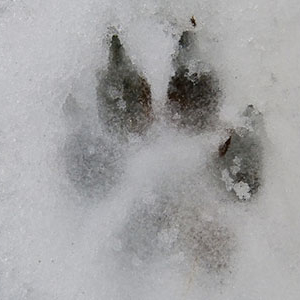
[00:18:15] Speaker F: Animal tracks.
[00:18:17] Speaker E: There you have your simple explanation for the whole affair, Ray.
[00:18:20] Speaker F: Why, how does that explain anything?
[00:18:22] Speaker E: Those big marks have been left by a bull moose. Now I know what happened. Well, the wind against it. The moose blundered into camp. It uttered a cry of alarm which we heard in the wind.
Defago heard it too, in his sleep. Remember the nightmare he was having? Yes, but. But why did he. He's a superstitious fellow. And that Indian had filled him with stories about the Wendigo. He suffered a temporary derangement, perhaps nothing more than panic.
And now he's tracking the animal.
[00:18:49] Speaker F: Yes.
[00:18:51] Speaker E: Could be we have nothing more to fear.
Let's take a breather and about of food before we go on.
[00:19:03] Speaker F: Oh, you were right.
You were right. There is an explanation for everything, Doctor.
And if you knew the kinds of explanation that have been going through my mind.
[00:19:16] Speaker E: I know.
Yeah.
Take a couple of sandwiches.
[00:19:21] Speaker G: Thanks, Doctor.
[00:19:22] Speaker E: I've got the water there and parched here. Thanks.
It's a relief.
[00:19:34] Speaker F: That's the second time you've mentioned this Wendigo thing. What is it, Doctor?
[00:19:37] Speaker E: Oh, holy nonsense.
[00:19:39] Speaker F: Indian legend of some sort.
[00:19:41] Speaker E: About the size of it.
[00:19:43] Speaker F: Oh, it's funny. The comfort I feel Sitting on a. On a stone in the middle of nowhere, looking at the fog.
[00:19:50] Speaker G: Footprint.
[00:19:51] Speaker E: Telling such a normal story.
[00:19:52] Speaker F: Hunter.
[00:19:53] Speaker E: Trailing moose.
[00:19:55] Speaker F: Wendigo thing.
[00:19:56] Speaker E: Did it.
[00:19:57] Speaker F: Did it have something to do with Uncle?
[00:19:59] Speaker E: Desert, perhaps?
What.
[00:20:02] Speaker F: What sort of a thing is it supposed to be, Doctor?
[00:20:04] Speaker E: Well, in this part of the country, when an Indian goes mad, they say he has seen the Wendigo.
[00:20:09] Speaker F: Oh, the Wendigo is a state of mind.
[00:20:12] Speaker E: Yes. Yeah. Yes, you could call it that. There is no such thing.
[00:20:15] Speaker F: No such thing.
[00:20:16] Speaker E: What they say out here.
They say out here are spaces no man can penetrate. This creature lives there. There's one to go.
[00:20:24] Speaker F: Creature nowhere to go, huh?
[00:20:27] Speaker E: They say it's a kind of animal.
[00:20:29] Speaker F: It's a state of mind kind of animal.
Doctor, look here a minute.
[00:20:35] Speaker E: What is it?
[00:20:36] Speaker F: The moose tracks.
He must be a big one. You're right. Big, round tracks.
[00:20:43] Speaker E: Look here.
[00:20:45] Speaker F: Does this look like a hoof mark to you?
[00:20:48] Speaker C: No.
[00:20:49] Speaker F: Caribou.
[00:20:49] Speaker E: Oh, that would be hoof marks there. No. No, it isn't there.
[00:20:53] Speaker F: Doctor, I think. I think we'd better get moving again.
[00:20:57] Speaker E: Yes.
[00:21:02] Speaker F: You loaded it. Doctor, It's a bear track.
Is it?
[00:21:06] Speaker E: What are you doing?
Why are you kneeling there?
[00:21:11] Speaker F: I. I thought I smelled something.
[00:21:13] Speaker E: You're acting like a fool. Do you want to lose your mind like Defago?
[00:21:17] Speaker F: Then you think he's gone after all.
[00:21:18] Speaker E: No.
[00:21:19] Speaker F: No.
[00:21:19] Speaker E: I told you what that was. Get your nose out of that track. You're out of your mind.
[00:21:23] Speaker F: Dr. Cathcart, don't you think we. We should turn back?
[00:21:26] Speaker E: Why do you talk such nonsense?
[00:21:28] Speaker F: There's. There's perfume in that track.
[00:21:33] Speaker E: If you let your mind go like that, there's no knowing what you'll imagine next.
We've lost enough time. We've got to find a father.
[00:21:43] Speaker F: We went on mile after mile. I dreaded the essential tapping of the axe on the massive trunks. The sound went before us into the dim forest, where something was waiting and listening.
The Doctor pressed on, faster and furious, like a man who denies something he really believes.
And the tracks became increasingly strange and unbelievable.
[00:22:10] Speaker E: There's an explanation. An explanation.
[00:22:12] Speaker F: How much did you measure?
[00:22:13] Speaker E: 18Ft. 18ft from one step to the next.
[00:22:17] Speaker F: Let's check back. We must be missing some tracks.
[00:22:20] Speaker E: No.
[00:22:20] Speaker G: No.
[00:22:20] Speaker E: There it is. In the Snow. Defago took 18 foot leaps.
[00:22:24] Speaker F: He'd been lifted and carried.
[00:22:26] Speaker E: Lifted and carried by what?
[00:22:27] Speaker F: The beast.
[00:22:28] Speaker E: That's what they say. They say it carries you along. It comes and calls and carries you along.
[00:22:32] Speaker F: Doctor.
[00:22:33] Speaker E: It comes and calls to you out of the silence, out of the voice of the Bush. The voice of wind and water and the cries of animals.
[00:22:39] Speaker F: Doctor, please.
[00:22:40] Speaker E: The perfume of it drenches you, chokes you, sickens you. The perfume of dead and stinking vegetation. And you have to go. It calls you, it carries you. It rushes you away through the bush, so your feet burn like fire. That's what he said. Didn't defeat a fire.
[00:22:53] Speaker F: Doctor, don't, please.
[00:22:54] Speaker E: It carries you in a great spirit, screaming, leaps to your destruction, with your feet burning and the wind bursting the blood vessels behind the eyes. And then you become an animal. The living dead thing, like the thing itself. And it drops you and you stagger away to die. Dr. Cathcart, will you stop it, please?
[00:23:11] Speaker F: This is not like you. Remember what you told me. There is an explanation.
[00:23:15] Speaker E: Yes, an explanation.
Let's look ahead. Check those footprints. Prince and the animals.
[00:23:22] Speaker F: Yes. Now, it. It. It just may be that our eyes are playing us. Trick, sir. Or else.
[00:23:27] Speaker E: Yes, yes. Ray, what is it?
[00:23:31] Speaker F: Those aren't Defago's footprints.
[00:23:34] Speaker E: What?
We've. We've lost them somehow.
Where did he go?
Lost them?
How could we lose them?
[00:23:43] Speaker F: And they end here. Both sets.
[00:23:45] Speaker E: There. You see? We didn't lose them.
There are still two sets of tracks.
[00:23:49] Speaker F: Where did they go? Up in the air.
[00:23:50] Speaker E: There's an explanation. An explanation.
[00:23:52] Speaker F: And those aren't defagos. Look at them.
There were two animals here.
We've lost Defago somewhere back.
[00:24:00] Speaker E: No, we haven't. Those are Defagos. This is the end of the trail. This is where it left him.
[00:24:06] Speaker F: Then where is he?
[00:24:08] Speaker E: Defago.
Don't. Don't call him. Don't call him.
[00:24:17] Speaker F: The big trees closed in on us like gangsters. I stared around with no power of thought, no judgment.
The feet that printed the surface of the snow had come this far. And then nothing.
And here were Defogo's prints. Neat round duplications of the strange animal track.
The feet that produced them had therefore changed. And my mind revolution with loathing and incredulous bewilderment.
[00:24:46] Speaker E: Don't call him dog.
[00:24:48] Speaker F: Doctor, get hold of yourself. We're going back. But we have to find a frog.
[00:24:52] Speaker E: Never find him.
[00:24:52] Speaker F: We'll die in these woods without. That's better.
[00:24:54] Speaker E: Better what? I tell you we're going back. We have to give it up. But Doctor, please, give it up.
[00:25:00] Speaker F: All right then, let's go back.
[00:25:02] Speaker E: Good. If we hurry, we can make the camp by nightfall.
[00:25:06] Speaker F: Yes, yes, of course.
[00:25:07] Speaker E: We'll have to. We will have it all explained, you'll see. Ray.
[00:25:10] Speaker F: Yes.
[00:25:11] Speaker E: Hopelessly lost. It happens in these woods. Even with A man like Defago. There's no chance. We've done everything.
[00:25:17] Speaker F: There he is.
What? Coming through the woods.
[00:25:20] Speaker E: It's default.
[00:25:21] Speaker F: Go away.
[00:25:22] Speaker E: It's Defago. Defago. It isn't Defago. It is Defago.
[00:25:32] Speaker F: You see?
[00:25:32] Speaker E: No, it isn't Defargo.
[00:25:35] Speaker F: Yes.
[00:25:35] Speaker E: Not anymore.
[00:25:37] Speaker F: What do you mean?
[00:25:37] Speaker E: Keep him away. Keep him away.
[00:25:39] Speaker F: Doctor. Please, Doctor. Put down that gun.
[00:25:41] Speaker E: Take him away. Doctor.
Your motor. You're mine. It's all a lie.
[00:25:51] Speaker F: Give me that gun.
[00:25:52] Speaker E: All a lie.
Superstition. I defy you.
Doctor.
[00:25:59] Speaker C: Control yourself.
[00:26:00] Speaker E: It's all in the mind.
You're nothing. Here it comes. And it's nothing. Listen to it.
[00:26:06] Speaker B: Come.
[00:26:07] Speaker E: It comes for me.
I'm coming.
Oh, the fire.
The fire, the fire.
Oh, the fire. The burning fire.
[00:26:21] Speaker F: The.
There's Defalgo here in the snow.
He looks no different, except that he's dead.
And I'm alone.
I am wrapped with a wall of silence.
The silent snow.
The silent forest. The silent wall of wilderness.
They all listen.
Listening snow.
The listening trees.
There is something out there in the forest.
And they listen for its voice.
[00:27:26] Speaker D: Mystery Theater has presented the Wendigo, a tale of the supernatural by George Salverson based on a story by Algernon Blackwood.
In the cast, Robert Christie as Dr. Cathcart, Ed Wilson as Simpson and Murray Westgates as Defago.
Sound effects were by John Sliz and technical operation by Robert Burt.
This is Bill Lauren speaking.
[00:27:50] Speaker A: That was the Wendigo from the CBC Mystery Theater from 1968. Once again you are listening to the mysterious old Radio Listening Society podcast. And I'm Eric.
[00:28:01] Speaker B: I'm Tim.
[00:28:02] Speaker C: And I'm Joshua.
[00:28:03] Speaker A: I always love the old time radio shows that themselves are a mystery. You know, like, where did this come from? And I brought this up before in the air and one of these days. And maybe I'll make a pitch for it to be the summer serial. But Moon Over Africa is one of those amazing. Where did this come from? And there's no record of it. But this seems to be quite a mystery itself.
[00:28:24] Speaker B: Which is weird because it's 1968. That's not that long ago. But just as far as, you know, the scholarly academic research I do of Googling things.
I couldn't find it.
[00:28:36] Speaker A: It's weird how I'm getting frustrated that when I don't find things through Googling them.
[00:28:42] Speaker C: Instantly.
[00:28:43] Speaker A: Instantly.
[00:28:43] Speaker C: Because we're old enough to remember when you would have to go to the library and ask the cranky librarian to go down into the stacks and the basement and bring something up through the book. Book, Dumb waiter. And have.
And actually spent hours and hours researching something to get information. And now if it's not there in two seconds, you're like, it must have never happened.
[00:29:03] Speaker A: Right.
[00:29:03] Speaker B: Can't be known.
[00:29:04] Speaker A: But we were also frustrated with like, why isn't someone put that up there? And then I realized I don't put anything on the Internet.
I don't add to the information source. I just take. I just take.
You find things on YouTube. You know, this just happened yesterday where I was. Oh, that scene from Indiana Jones. And I went to YouTube and there it was, 26 seconds long. And I played it because I was trying to remind my wife. And I'm like, there it is. Of course. And then you have to stop and remember, someone did that for me.
Someone put that up there and I expect it to be there. So someone's got to know something about this.
[00:29:39] Speaker B: Thanks, Internet people.
[00:29:40] Speaker A: That's right. Who are you people with time, so much time. I'm going to put this 20 second clip of Indiana Jones up. Here we go. Someone's going to be really happy when they make their point to their wife about a joke.
[00:29:54] Speaker C: Like how Eric can thank somebody and insult them.
Well, I want to thank Tim for finding this CBC Mystery Theater because the 10:30 version of this is really bad sound quality. I had attempted once to listen to this and couldn't even get through it.
[00:30:10] Speaker B: So went through the same thing.
[00:30:11] Speaker C: Yeah, this is fantastic.
[00:30:13] Speaker A: Do you know where this version came from?
[00:30:15] Speaker C: No, we know nothing, Eric.
We said that.
[00:30:20] Speaker B: It doesn't sound like it's so good. It came from the studio. It sounds like just a better recording to me.
[00:30:26] Speaker A: Right.
I like the opening. I love the music throughout. And I thought the opening scene was a great hook. You know that.
[00:30:35] Speaker C: See, here's where we're gonna utterly disagree. If I have one criticism, it's that hook. It angered me, really. It's a suspense killer.
[00:30:43] Speaker A: Well, you're right.
[00:30:44] Speaker C: Too much information. Because the rest of the show relies on.
Is the doctor gonna snap? The just bizarre mystery of saying, my feet, my burning feet. But you've already explained here that it's from dragging or that it gets pulled along so you can easily make that connection. I would have loved to have that excised. That is almost the climax of the story when the doctor snaps there. And so it told me really important things that I would have rather been waiting to hear from the show itself. And it's honestly my only critic criticism of this.
[00:31:20] Speaker A: I think that it comes from my love of CBS radio Mystery theater always does the hook at the top.
[00:31:29] Speaker B: Yeah, I intellectually know why it bothers people, but I, I enjoy that sort of thing. Yeah, it hooks me.
[00:31:35] Speaker A: But I totally understand where you're like, ah, you just told me what's gonna happen.
[00:31:38] Speaker C: Pick a different hook there.
[00:31:41] Speaker A: So Joshua just said, oh, I loved everything else about this. And so I, you know, we get the idea where he's heading. I had a really hard time with this. I had a really hard time with how it was written. It's oddly poetically written.
Here's my line as an example. What is this? A man weeping like a child while this whole wilderness of woods listens.
[00:32:03] Speaker C: That's one of the lines I wrote down. Like, beautiful.
[00:32:09] Speaker A: And I went, come on, get over yourself.
[00:32:12] Speaker C: I hope we were doing that at the exact same time at different locations.
[00:32:17] Speaker A: I couldn't quite wrap my head around the pattern. It's how they talk to each other sometimes. Seemed like the two people in the scene were in two different stories or two different conversations.
There was like a huge disconnect for me in the writing of this. And the poetry of narration was mind numbing for me. Like, why can't you just say, oh my God, why is he crying?
[00:32:44] Speaker C: I mean, he could have said that.
[00:32:45] Speaker A: But no one talks like that. Especially in that movie Goose Hunters.
They don't talk like that.
[00:32:52] Speaker C: I know they are being taken out. They are the civilized people and that's part of the story. They're being brought into the wilderness. They're being guided.
[00:32:59] Speaker A: Is this where you are going to eventually convince me that I'm wrong?
Always happens. And I go, well, right. I didn't think of it that way, Joshua.
[00:33:11] Speaker C: That's a different spin off podcast. Eric, you're wrong. That I'm working on.
That's just excerpts from this podcast.
[00:33:21] Speaker A: No, no, my wife does that.
[00:33:24] Speaker C: She's my co host.
With me, as always, is Eric's wife.
[00:33:31] Speaker A: Well, we're gonna have a long one today.
Eric's had quite a week being wrong.
So you liked that?
[00:33:42] Speaker C: Well, you and I have had this conversation, I think before. If they were speaking to one another like that, it would seem odd and artificial. I think there's that break between what is acceptable as narration when you are the idea that they have gone away and write. If you're narrating this, this is sort of your written thoughts, like from a journal almost. I know that's not stated explicitly, but that is the convention of narration to me. And so that you are going to use a stylized prose voice narration as opposed to Dialogue, which should sound how people would talk to one another. It's also written in 1910, so the source material is not contemporary for the dialogue as well.
[00:34:22] Speaker D: Right.
[00:34:22] Speaker A: Because we used to talk like idiots.
[00:34:26] Speaker B: Talk better than we do now, I feel.
[00:34:29] Speaker A: I disagree.
Stupid.
[00:34:33] Speaker B: Fair point.
[00:34:33] Speaker A: All right. Thank you. Yeah. A man weeping like a child while this whole wilderness of woods listens.
That's terrible. That's just so over the top.
[00:34:43] Speaker B: I think that conveys multiple ideas at once, which is what good poetry does. It's both. It's disturbing to see this guy cry.
Shush, shush, shush. There's all kinds of things out in the woods.
[00:34:54] Speaker C: It also suggests that maybe the woods enjoys this. It gives the woods character, like it's listening. It's savoring this. It's something the wood wants.
[00:35:03] Speaker A: In all seriousness, do we need that in a story where there's a thing in the woods that's hunting them down?
Just be scared and try to get away from the thing that's killing you or dragging the guy off. Why do you need that description of that flowery, over the top description when you really have just a really wonderful idea of these guys are in the woods and they can't get out. I love the line where they say, what if this guy goes away? How are we gonna get out of here? But they don't say it that way. They said it in some weird conversational way like, this is it. Hey, wait a minute. If this guy goes away, what are we gonna do? God, you're right. But that's not what happened. It was some kind of like.
[00:35:42] Speaker C: But that's not.
[00:35:43] Speaker A: I don't think Dave Flaubert showed up and started saying stuff.
[00:35:48] Speaker C: It's 1910, and these are clearly educated, literate men. And it's part of the story is the contrast between them and their guides. This idea of the doctor who objects to all this superstition and doesn't want to believe and bends over backwards to come up with, at times just craz justifications. It was a hurricane.
[00:36:10] Speaker A: The hurricane killed me.
Oh.
[00:36:14] Speaker B: A moose picked this guy up and ran at 80 miles an hour, dropping him every 20ft. Picking up.
I love that elaborate lie.
[00:36:25] Speaker C: Yes, we're laughing at it a little and making fun of it, but in the context of the show, I related to it in those sort of desperate moments that something scares you and you're looking for any comfort and you will jump through hoops logically to get there.
[00:36:41] Speaker A: I couldn't agree with you more. That this story lays out as a terrifying sequence of what are we gonna do and how are we going to solve this? And all of it is, I think, a really great story.
My point is, is that I feel like it never got traction because of the writing. It would start moving forward and then get mired in the odd conversation or narration. In other words, we're moving forward. Oh, my God, where's the guy?
And then, you know, it stops the.
[00:37:11] Speaker B: Action for me, that for myself, and I will cruelly speak for Joshua.
[00:37:15] Speaker C: Thank you.
[00:37:17] Speaker B: When we hit some of that poetic, flowery language, we like to dig in, like, what's in here, what's all being said here. Multiple layers, implications, la, la, la. And you don't want someone to challenge you to understand what they're saying. You just want them to say something that you understand.
[00:37:31] Speaker A: Yeah, well, it's about, for me, momentum. This has happened. This is happening. We're moving. And it just seems like Grandpa driving the car. We keep hitting the brakes to, you know, in weird spots. And we gotta stop and listen to that. And it should be moving full steam ahead of freaking out and what's happening and what are we going to do? And all of these wonderful things with this. This legend that exists, that if you looked online at the pictures and the depictions of what a Wendigo looks like, a giant deer skeleton, terrifying. And my point is, is that why stop and go? Okay, let's go back. And I get 1910, and I get all of that. I'm saying, when was this? When was this?
[00:38:11] Speaker C: 1968.
[00:38:11] Speaker A: Yeah, they had plenty of time to take that out.
[00:38:14] Speaker C: Well, but based on the Screaming Skull, which was from Theater 1030, but also represented as a CBC Mystery Theater or whatever that mystery is, that was done around the same time. And listening to both of these tells me that the people who wrote these stories were interested in being as true to the source material as possible. Thematically at least, there's some very dramatic changes from the original story, but I think that's why you had that language. And here's one of those times where I'd love to say, eric, you're wrong, but the reality is this is a subjective taste difference.
[00:38:47] Speaker B: Yeah, I also. I was enjoying this, both this and the story it's based on in a different way.
For me, it was not the action momentum pushing forward. It was a real slow burn, slow freeze, really, but where it really builds up. This is the environment we're in. This is really deadly. This is really sinister. And you just slowly dreading being sort of dragged towards this inevitable thing. You're going to be Forced to encounter.
[00:39:15] Speaker C: The scariest stuff are the spaces where nothing happens. I think that's the kind of environment this type of story creates. It's those pauses between the scary things that are scarier than the scary things.
[00:39:25] Speaker A: I'm gonna make a weird comparison. Blair Witch Project.
[00:39:30] Speaker B: Yep.
[00:39:30] Speaker A: Trapped in the Woods. And it doesn't stop for narration. Other than. I know that they do their on camera video diary stuff, but even those are propelling forward. Like, okay, this is where we're at now. This is what's happening. We don't know what to do.
That worked and terrified us because it just kept building and moving forward and not stopping. And that's what bugged.
Why are you stopping to tell us that now? Have the character tell us that in the moment that it's happening. We don't need narration or going back. And again, instead of him describing that poetically, just like, oh, my God, he's crying. Why is he crying? Is much more intense to me than stopping. And I think it takes that. That momentum away.
[00:40:12] Speaker C: Well, let's talk about the actual scenes and some of the elements, because like I said, that is subjective. I totally get it. But I want to mention how distressing, however it's presented the grown man sobbing in his tent is.
[00:40:24] Speaker A: Yeah.
[00:40:25] Speaker B: Yeah. Especially when they've established they are depending.
[00:40:27] Speaker A: On this guy and they've established how confident, tough, rough. He tells a story about staring down.
[00:40:33] Speaker C: A wolf, which is another great scene because in the middle of all that bravado, he's interrupted by something that the others can't detect or see or smell. Yeah. There's no holy for it. There's no holy to go. What's happening? And why did this confident man lose all. All of his confidence and now he's crying in his sleep.
[00:40:54] Speaker A: Yeah. And all of that works really well.
[00:40:56] Speaker C: And the Foley for him screaming and being dragged away and the voice calling his name, Defago is really disorienting. And I was confused during that segment. In a good way.
[00:41:10] Speaker B: Yeah.
[00:41:10] Speaker A: As in, so are they.
[00:41:12] Speaker C: Yeah, they're like being awakened in the middle of the night and thinking you hear something, not knowing what's going on. Cause as a listener, for a moment I was like, are they in his tent? Are they outside?
Where are they? What are they seeing?
So I had that strange moment where I'm trying to get my senses all lined up as well.
[00:41:30] Speaker B: That description of, I meant to go to sleep, but I realized I wasn't. I was actually awake when I thought I was asleep.
[00:41:35] Speaker A: I loved that, actually. The idea of my eyes Are wide open. I'm not sleeping.
[00:41:40] Speaker C: And what about that feet on fire thing?
[00:41:43] Speaker A: I hated it at first because I didn't know. Oh, what are we talking about now? Because I was so upset with. Is this some kind of metaphorical poetry again? My feet are on fire and actually means I hate Eisenhower or whatever, you know, I don't know.
[00:41:56] Speaker C: They were still mad about Eisenhower in 1968.
[00:41:59] Speaker A: They were.
But when it came to fruition, what that was, I found that. Oh, nice. You know what I mean? Why I would be bugged by it at that point.
[00:42:08] Speaker C: Oh, yeah.
[00:42:08] Speaker A: What are we talking about?
[00:42:09] Speaker B: Jumps out as weird even in the moment.
[00:42:11] Speaker C: It's very strange. And I think it's speaks to the successful tone they create around that. That you don't laugh at that. I think we've talked often in this podcast about that fine line between comedy and horror that I don't think I ever really realized existed until we did this podcast. I was thinking, like, comedy, tragedy. Yeah, that should be ridiculous. When he's going, woo, my feet burn. Woo. Like we say it now and it's hilarious, but listening to it.
[00:42:36] Speaker A: Do it again, do it again.
[00:42:37] Speaker C: Woo, my feet. Woo, my feet, my feet. Yeah, it's like, that's comedy. But in the moment. It is so weird. If you woke up in the middle of the night in the woods hearing someone scream that.
[00:42:49] Speaker A: Yeah.
[00:42:49] Speaker C: That it would be the most terrifying thing ever because it makes no sense.
[00:42:53] Speaker A: Again, if they'd taken out a lot of things in here, it would have had more of an impact. That's what I think. But you enjoyed it, so whatever.
[00:43:00] Speaker B: Well, it's interesting because Joshua and I were talking about the source material a bit earlier, and it's actually not a short story. I misspoke in the introduction. It's a novella. It's pretty chunky. So I think a lot of things that you don't like about it get more so in the source material. They really take their time establishing what a menacing place they're in.
[00:43:22] Speaker A: And again, and we've talked about this before in this podcast, it really is and was a difficult thing to do. Adaptations of stories and get that in in 25 minutes. And how are we gonna do that?
[00:43:34] Speaker C: They make a lot of interesting cuts in this that I think overall works.
[00:43:38] Speaker A: Yeah.
[00:43:39] Speaker C: What did you think of the end? It's ambiguous. It's different from the short story. So listeners, you can go read this or the novella, you can go back and read this and have a completely different ending. So that's kind of nice as well. But for this ending, what'd you think of it?
[00:43:54] Speaker B: I specifically I was a fan of the short story and so I just looking for. Is there a radio adaptation of this?
So I came into it knowing the ending of the novella. I confessed to bed, like, oh, that's not right.
[00:44:08] Speaker C: I did the opposite. I heard this, then I went and read the story. But there is a lot of ambiguity in this radio adaptation there at the end. Do you think this was all a hallucination or hysteria on the part of Simpson and the Doctor? Because we have Defago coming out of the woods. They say specifically he's human, he's normal, and the Doctor has shot him and then goes screaming. We hear the sounds as if the Wendigo has grabbed him up because he talks about his feet burning too and is gone. Where does that leave you? Do you think that's intentionally ambiguous?
[00:44:46] Speaker A: Yes, I thought it was intentionally ambiguous to leave us with what do you think happened? Kind of moment.
[00:44:52] Speaker C: What I like is that it doesn't matter to Simpson. He's dead either way. He's abandoned out in the woods. And if it was a hallucination or there's really a monster, either way he's screwed.
[00:45:01] Speaker A: Right. Because all he knows how to do is talk funny.
[00:45:03] Speaker C: Yeah, but I love an ending that can be both ambiguous. But we know what happens to our protagonist.
[00:45:09] Speaker B: Yes.
[00:45:10] Speaker C: It's not open ended.
[00:45:11] Speaker A: How does the novella end?
[00:45:12] Speaker C: Very different. I don't know if I want to spoil it for people. I would spoil it.
[00:45:16] Speaker B: Yeah. Well, if you haven't read the novella, press pause.
[00:45:19] Speaker C: Yes. Well, they find Defago. Just like in this version, however, he is a.
[00:45:26] Speaker A: He starts his own store of the.
[00:45:29] Speaker C: Flower shop, starts writing poetry.
He has a beret on and a turtleneck. No, he is somehow transformed. He looks more animal, like. He looks as if his face has been under great pressure, moving at great speeds, and then has been released so it's sagging. And then they notice that his feet have transformed. They are these blackened animal feet, like the tracks they've been watching.
[00:46:00] Speaker A: That's a terrible cut.
Because that's awesome.
[00:46:04] Speaker C: That is. However, it's more complicated in the story because then this sort of screaming Wendigo wind comes back again and snatches this being up. Just as they realize that's not Defago, they become convinced that is not him, disappears. They go back to their camp and they find a second Defago who is clearly human, but looks emaciated, has frostbite. He's saying his feet burn, but just because they're frostbitten and he doesn't remember anything. He doesn't even remember who he is and he dies weeks later. So they changed a lot, but you're left with the same ambiguity. Did we have a group hallucination? Is this the madness of the woods that the natives talk about what really happened here?
[00:46:49] Speaker B: One of the things in the novella.
[00:46:50] Speaker C: As long as we're nerding out.
[00:46:52] Speaker B: Yes. There's two guides. And so these two characters get split up between the two guides. And one of the nice, tense things is the guy who gets stuck with Defago, that I'm gonna be alone out here with the unreliable guy, and I don't even have my buddy to help me.
[00:47:05] Speaker C: Obviously, they changed that for the radio drama because he has to have someone with him. Otherwise he's trapped in the woods with no one to talk to. And it would all be the poetic narration that would drive Eric crazy. So they alter it so that we have the Doctor with Simpson when defago is taken away by the Wendigo.
[00:47:23] Speaker A: I like that.
[00:47:24] Speaker C: Like I said, I love a radio adaptation that can make these changes, yet still be thematically true to the concept and find new bits of suspense. I think in the radio show, the suspense over how crazy the Doctor will get to justify some other explanation for these bizarre things that are happening. Where, you know, oh, you think suddenly defago can jump 18ft, right? Yeah. And his footprints change.
[00:47:50] Speaker B: Yeah. And they go to like, oh, he's clearly out of earshot. In 15 seconds, he's gone how many miles.
[00:47:56] Speaker C: I really like this addition of the Doctor shooting him, because it's almost like, I don't want to know the answer. If that really is defago, then I'm right. But what if it isn't? I'd almost rather not know. It's like Schrodinger's defago, that theme that.
[00:48:10] Speaker B: Goes back and forth with the Doctor of. Of what is the Wendigo. And he keeps trying to insist it's madness. It's a state of mind.
No, it's a thing.
[00:48:18] Speaker C: It's a thing and it's in these woods and it's gonna make your feet burn. Yeah.
[00:48:23] Speaker A: One of the things that we've uncovered in our 75 podcast is the idea of how really difficult it is to adapt previously written and established stories into a 30 minute radio drama format, which they did a lot from 1930 to 1958 and beyond. But the Golden Age Age, that's a difficult endeavor. And what are you going to choose? And when we did, you know that our version of Mercury Theaters on the air Dracula, the classic, well known book. And how do you turn this into an hour and put it on the radio? They hit the mark and it was good. How hard though that is to pull off? And you're talking about this ending and we're all thinking, why didn't they put that in? How long would that have taken? What would have had to have left?
[00:49:08] Speaker C: Yeah.
[00:49:09] Speaker A: To have all of this in so we can criticize all we want. But I think the bottom line is that's a really difficult maneuver.
[00:49:17] Speaker B: The medium of radio can convey the impact of the story.
[00:49:21] Speaker A: Right. On how.
[00:49:22] Speaker B: Yeah.
[00:49:22] Speaker A: And what choices are you gonna make? And I'm just saying they did it wrong.
[00:49:26] Speaker C: All right, well, let's vote. As long as we're talking about right and wrong, I say it's subjective. It's not right.
[00:49:31] Speaker A: Yeah. I would have cut a lot more and just been about some moose hunters freaking out about a windigo and focused on that stuff and that ending and that. I like the idea of them coming back and finding his emaciated body and there's two of him.
So I wouldn't say classic, but I'd say stands the test of time, for sure. And I think it was a nice endeavor.
[00:49:52] Speaker B: I recognize that I'm very biased because I really like the short story and I'm just enthusiastic to hear this no matter what. So I'm probably gonna give it extra points because I like it.
So I don't know if I'd call it a classic or not. In my heart, it's a classic. I'd certainly say it stands the test of time. I think it's definitely, I would agree, rewarding episode to listen to.
[00:50:09] Speaker C: I am not biased, as in I had never read this short story and I heard the radio show first and in my opinion, I would consider it a classic. I think it's really well done, especially of the shows we've heard that are outside of the golden age of the new age of radio.
This is one of the classics, along with Screaming Skull. I love this one. To Death without that teaser at the top. That's my only caveat. Like, don't ruin what you've done so well.
[00:50:38] Speaker A: All right, well, thank you so much for listening. We have some information and exciting news to pass along to you. But first, Tim, how can they find out more about us?
[00:50:47] Speaker B: You can go to ghoulishdelights.com there you'll find other episodes of this podcast. You can also find information out about live shows. We do. We do live shows at the James J. Hill center doing Live productions of classical radio scripts. You can find us on Facebook and make conversation with us. We like that. You can find us on Instagram and like photos.
[00:51:06] Speaker C: We also recommend another old time radio podcast, Breaking Walls. They are doing a podcast on the history of the American radio drama. And this is a multi part radio style documentary that covers the creation of radio, the beginning of dramatic radio through its rise, through its crash, through the rise of television, through its attempt to revive itself in the the 70s, all the way up to eventually the present and what people are doing as dramatic radio today in podcast form. So you'll definitely want to check that out. You can subscribe to Breaking Walls everywhere you get your podcasts or go to wallbreakers.com and now we would like to let you guys know that we are accepting memberships to the mysterious old Radio Listening Society and that is in the form of Patreon. So if you would like to support this podcast and become a member, we now have a way for you to do that. And like a lot of other podcasts, we have rewards for different support levels and we hope to make it a lot of fun.
So Please go to patreon.com themorals and you can find out more. But we also want to emphasize we love all of our listeners and if you aren't really interested in becoming a member or can't, that is totally fine too. We thank those who support us and those who listen to us. We thank everybody so that nothing's going to change about this podcast. We just have a certain amount of expenses and time that goes into making a weekly podcast. And with some extra support, we'll be able to keep doing this and create extra content as well.
So check it out and see what you want to do.
[00:52:57] Speaker A: It's a clever way to get beer money.
[00:53:01] Speaker C: No?
[00:53:02] Speaker A: And the, the rewards are cool.
[00:53:05] Speaker C: Well, yeah, we're cool.
[00:53:07] Speaker A: I'm just saying the rewards are we got some cool stuff. So check, definitely check it out. And you can also just go to ghoulishdelights.com there'll be a link to that program as well. And thank you so much.
Our next episode is Joshua's pick and we'll be doing an episode of the Chase called the Newspaper Reporter.
[00:53:26] Speaker F: Until then, a man sobbing like a child while this whole awful wilderness of woods listens.
[00:53:35] Speaker A: Oh my God, Why is he crying?